Introduction
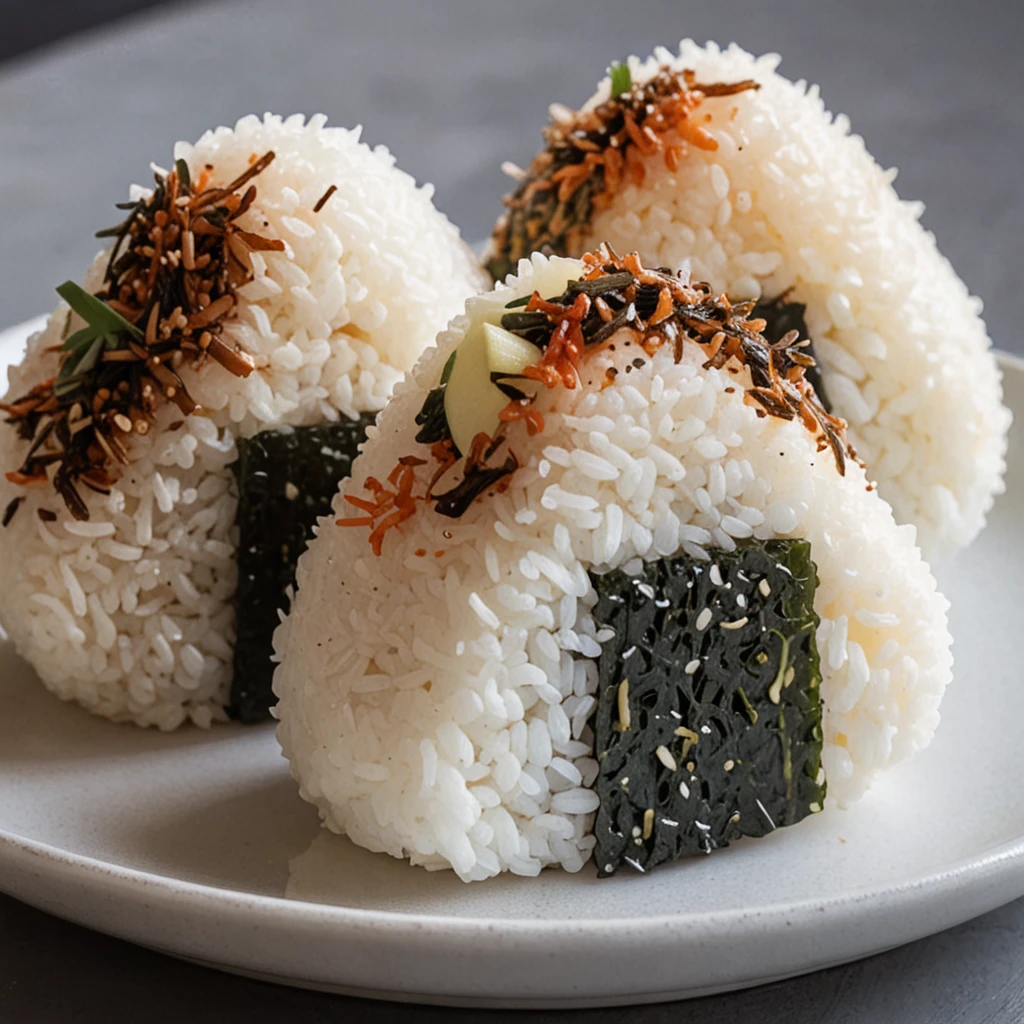
Onigiri, also known as Japanese rice balls, are a delightful snack that have been a staple in my life since I was a child. The simple yet versatile nature of onigiri makes them perfect for any occasion—whether you’re having a picnic by the sea or a casual gathering with friends. Today, I’ll take you through the process of making these delectable rice balls, ensuring that your kitchen is filled with the rich aroma of nori and sushi rice.
Print
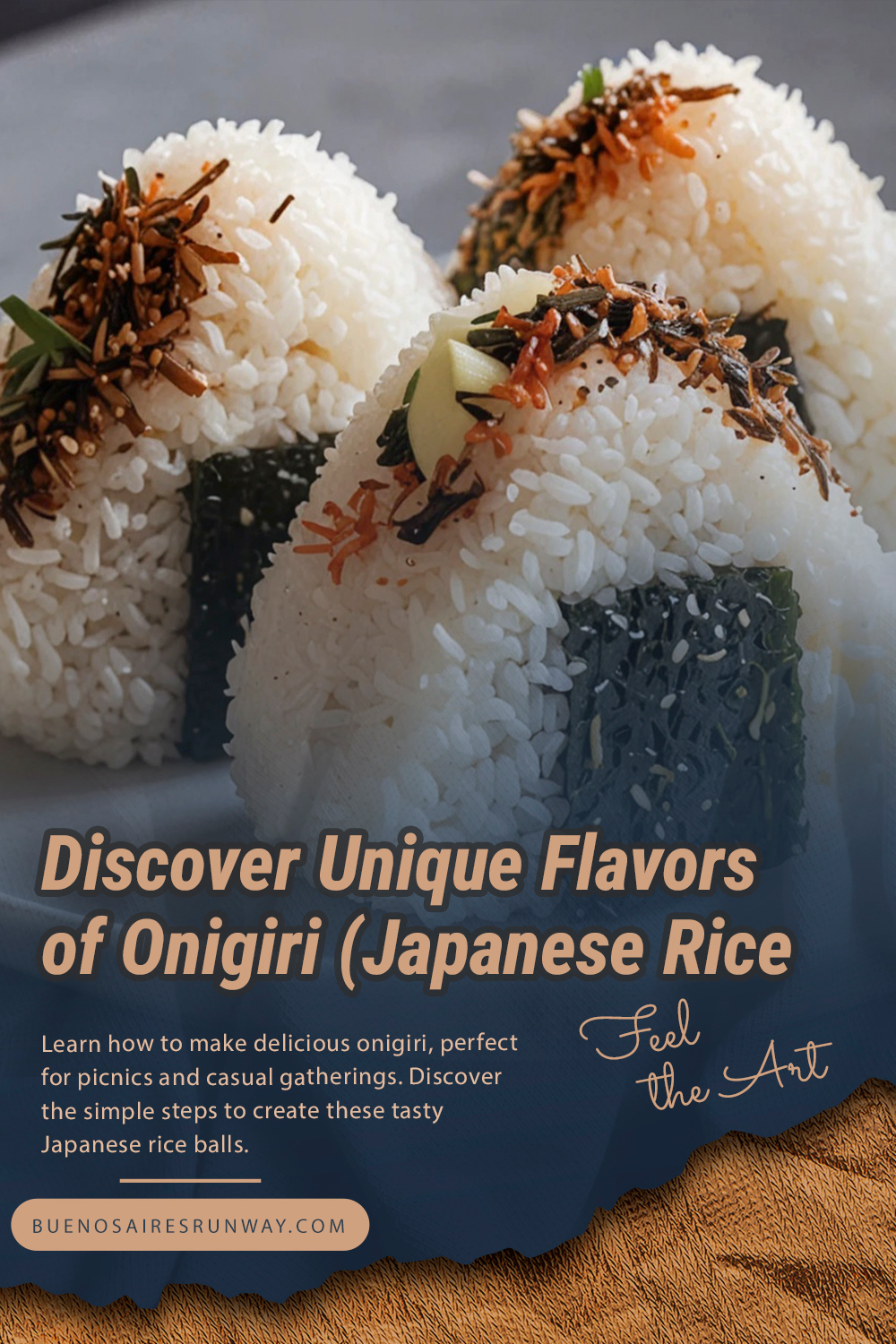
Discover Unique Flavors of Onigiri (Japanese Rice Balls)
Onigiri are perfect for picnics, casual gatherings, or as a light snack. These rice balls come together with simple ingredients and offer a delightful blend of flavors.
- Total Time: 45
- Yield: 6-8 onigiri
Ingredients
✓ 2 cups sushi rice
✓ 1/4 cup rice vinegar
✓ 2 tablespoons sugar
✓ 1 teaspoon salt
✓ 1 sheet nori (seaweed), cut into strips
✓ Fillings of choice (e.g., pickled plum, tuna, salmon, or vegetables)
Instructions
✓ Wash the sushi rice and cook it with water.
✓ Mix rice vinegar, sugar, and salt to season the cooked rice.
✓ Divide the seasoned rice into portions and shape them into balls.
✓ Place fillings in the center of nori strips and wrap around the rice balls.
✓ Trim off any excess nori for a clean finish.
Notes
Ensure the nori is crispy but not overly oily before use; this affects both taste and texture.
Nutrition
- Calories: 350
- Sugar: 8
- Sodium: 400
- Fat: 12
- Carbohydrates: 45
- Fiber: 5
- Protein: 15
Key Ingredients
2 cups sushi rice: This variety of rice is essential as it has a higher proportion of amylose, which makes the grains firmer when cooked. The texture of sushi rice is crucial for onigiri because you want the rice to hold its shape while still being soft enough to bite into.
2 1/2 cups water: Water is used in the cooking process to bring out the best flavor and texture from the rice. The precise ratio of rice to water ensures that each grain cooks evenly, preventing any from becoming too mushy or too hard.
1/4 cup rice vinegar: This ingredient gives onigiri its characteristic tangy taste. Rice vinegar is made specifically for cooking and has a milder acidity than regular vinegar, making it perfect for this recipe. It’s also what gives the rice a shiny appearance when finished.
2 tablespoons sugar: The addition of sugar helps balance out the tartness from the rice vinegar, resulting in a harmonious flavor profile. This step is crucial to prevent any bitterness that might arise during cooking.
1 teaspoon salt: Salt enhances the overall taste and brings out the flavors of other ingredients. A small amount goes a long way, ensuring that all components come together beautifully.
1 sheet nori (seaweed), cut into strips: Nori adds a delightful umami flavor to onigiri. Its slightly salty taste and chewy texture make it an essential part of this dish. Choose high-quality nori for the best results; it should be crispy but not overly oily.
Why You’ll Love This Recipe
Onigiri are more than just a snack; they’re a labor of love. Whether you’re making them for yourself or sharing with friends, onigiri offer a perfect blend of flavors and textures that can’t be replicated by store-bought versions. They’re not only delicious but also incredibly satisfying. Plus, the process is surprisingly simple, even for beginners.
Tips for Making Perfect Onigiri
- Wash the Rice Thoroughly: Start by washing the sushi rice until the water runs clear to remove excess starch. This step ensures that your onigiri will hold together well.
- Cooking the Rice: Use a pot with a tight-fitting lid and add 2 cups of sushi rice to 2 1/2 cups of water. Bring it to a boil, then reduce heat to low, cover, and simmer for about 15 minutes. Let it sit off the heat for another 10-15 minutes before fluffing with a fork.
- Seasoning the Rice: In a small bowl, mix rice vinegar, sugar, and salt until well combined. Gently fold this mixture into the warm sushi rice using a wooden spoon or plastic wrap to avoid breaking up the grains.
- Forming the Rice Balls: Divide the seasoned rice into equal portions (about 1/2 cup each). Shape them into perfect spheres by rolling between your palms, ensuring they are tightly packed but not overly tight so that the filling can be inserted easily.
- Adding Fillings: Place a small portion of your chosen filling in the center of one piece of nori. Wrap it around the rice ball to enclose the filling, making sure it’s sealed properly. Trim off any excess nori with kitchen scissors for a clean finish.
Time Details
- Preparation time: 30 minutes
- Cooking time: 15 minutes
- Total time: 45 minutes
Nutritional Information
Each onigiri serves about 2 slices of rice, providing approximately:
- Calories: 350 per serving
- Protein: 15g
- Carbohydrates: 45g
- Fat: 12g
- Fiber: 5g
- Sugar: 8g
- Sodium: 400mg
FAQs
- Q: Can I use regular white rice instead of sushi rice?
– A:** Regular white rice can be used, but the texture will differ slightly. Sushi rice is preferred for its stickiness and flavor.
- Q: How do I keep my hands from sticking to the rice while forming onigiri?
– A:** Soak your hands in cold water briefly before handling the rice to prevent it from sticking.
- Q: What are some other filling options besides tuna and salmon?
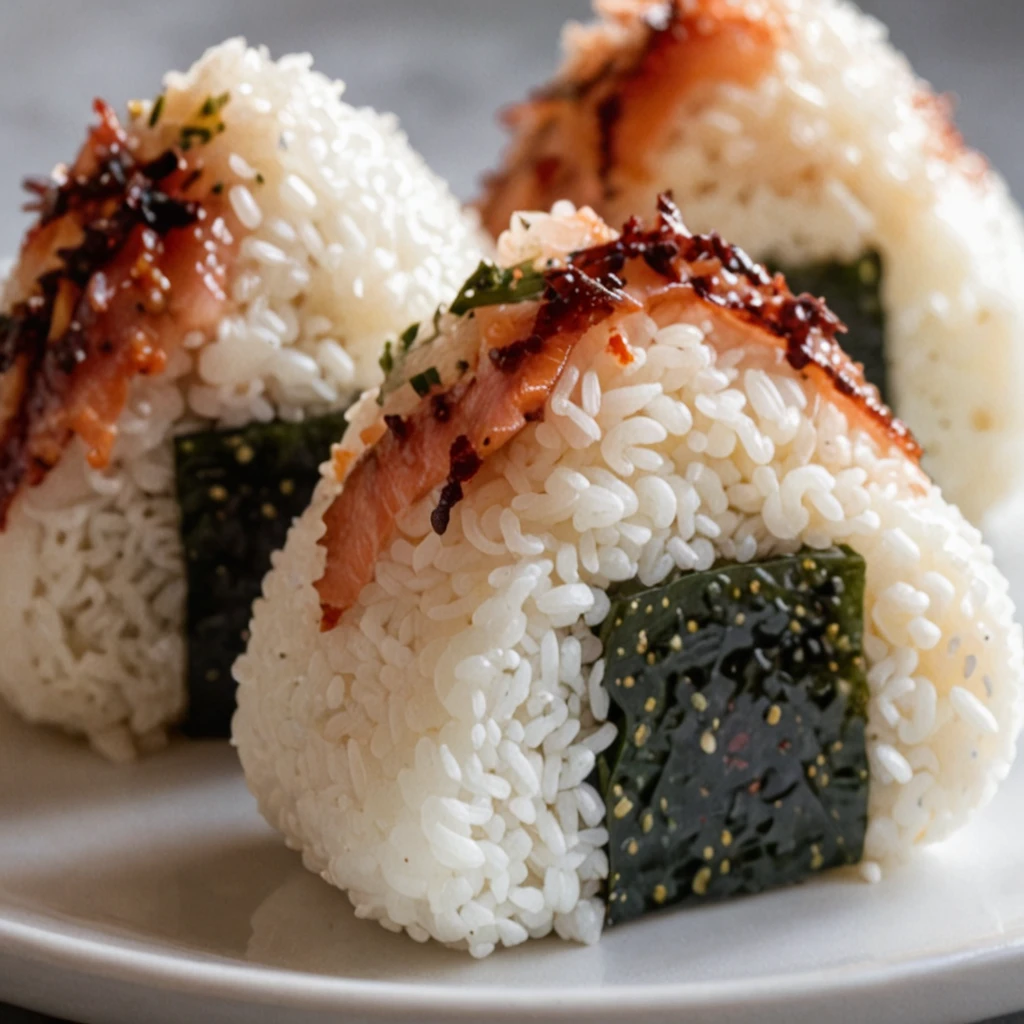
– A:** Try pickled plum, vegetables like avocado or cucumber, or a mixture of mayonnaise and chopped tuna for a unique twist.
- Q: How long do onigiri last in the fridge?
– A:** Onigiri can be stored in an airtight container in the refrigerator for up to 3 days.
Conclusion
Now that you have all the information, go ahead and give these delicious onigiri a try! Whether you’re looking for a quick snack or a fun activity with friends, this recipe is sure to delight. Get creative with your fillings and enjoy the process of making homemade onigiri.