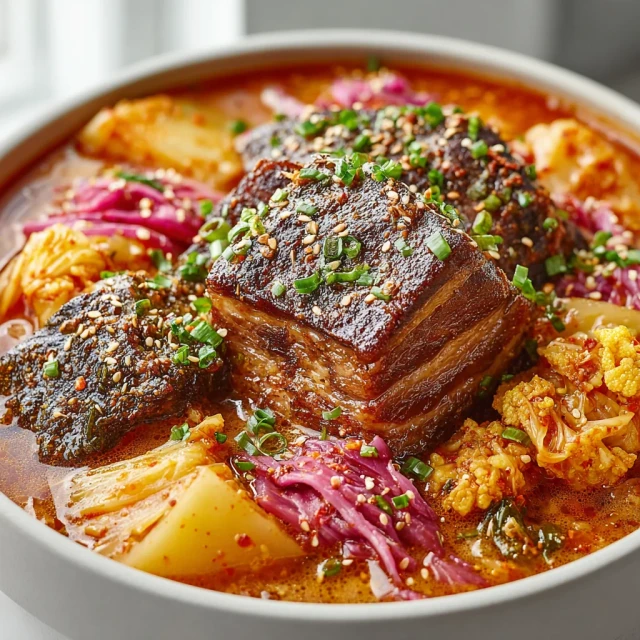
Kimchi and Pork Belly Stew
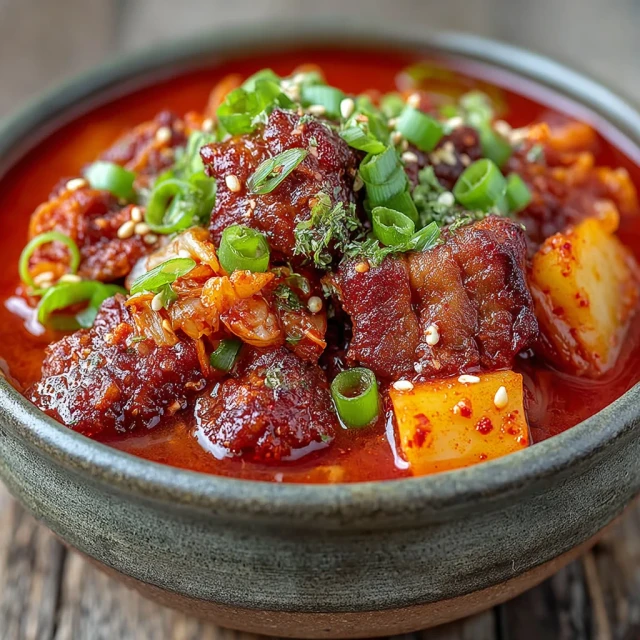
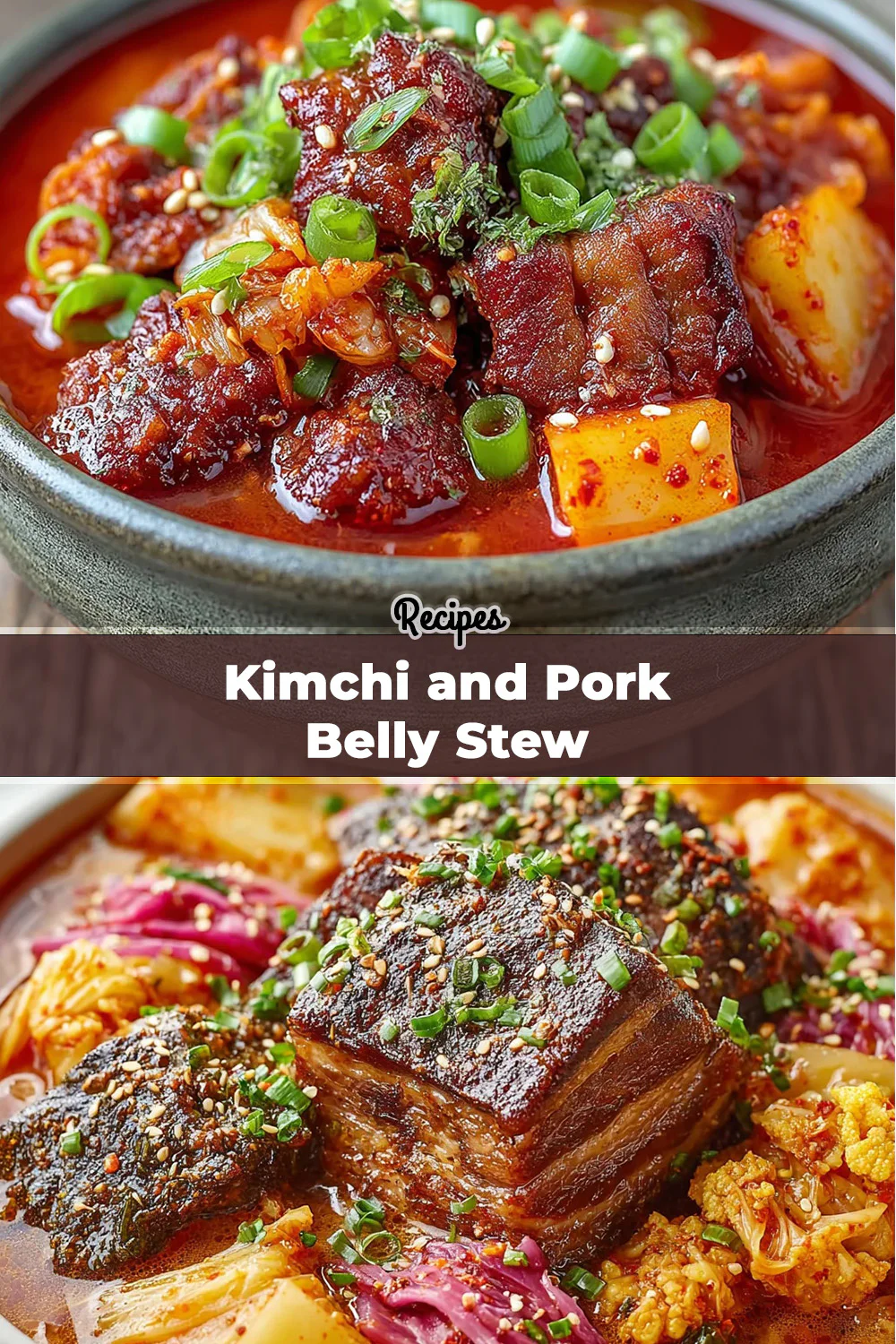
Kimchi and pork belly stew is a traditional Korean dish that combines the spicy, sour flavors of kimchi with the rich, unctuous texture of pork belly. This hearty stew is perfect for cold winter nights, and its bold flavors will leave you wanting more. The combination of kimchi, pork belly, and aromatic spices creates a deep, satisfying flavor profile that is both comforting and exciting. To make this delicious stew, you’ll need a few key ingredients and some basic cooking skills.
Ingredients
The following ingredients are needed to make kimchi and pork belly stew:
- 2 pounds pork belly, cut into 2-inch pieces
- 2 cups kimchi, chopped
- 2 tablespoons Gochujang (Korean chili paste)
- 2 tablespoons soy sauce
- 2 tablespoons brown sugar
- 2 cloves garlic, minced
- 1 tablespoon grated ginger
- 1/4 cup Korean chili flakes (gochugaru)
- 1/4 cup water
- 2 tablespoons sesame oil
- Salt and black pepper, to taste
- Scallions, chopped (optional)
Step-by-Step Preparation Instructions
To make kimchi and pork belly stew, follow these steps:
- In a large Dutch oven or heavy pot, heat 1 tablespoon of sesame oil over medium-high heat. Add the pork belly and cook until browned on all sides, about 5-7 minutes. Remove the pork from the pot and set it aside.
- In the same pot, add the remaining 1 tablespoon of sesame oil. Add the minced garlic and grated ginger and cook, stirring constantly, for 1-2 minutes.
- Add the chopped kimchi to the pot and cook, stirring occasionally, for 5-7 minutes or until it starts to caramelize.
- Add the Gochujang, soy sauce, brown sugar, and Korean chili flakes to the pot. Stir to combine and cook for 1-2 minutes.
- Add the browned pork belly back to the pot, along with the water. Bring the mixture to a boil, then reduce the heat to low and simmer, covered, for 2-3 hours or until the pork is tender.
- Season the stew with salt and black pepper to taste. Serve hot, garnished with chopped scallions if desired.
Basics & Tips for Beginners
Here are a few tips to keep in mind when making kimchi and pork belly stew:




20. Kimchi and Pork Belly Stew
-
 Deconstructed Spanakopita Salad with Feta Foam
 -
 Spicy Tuna Crispy Rice Square Recipe
 -
 The Best Spanish Red Pepper Soup – Easy, Smoky...
 -
Edamame Hummus : Discover a Smooth, Protein-Packed Dip!
-
Middle Eastern Falafel Wrap with Tzatziki
-
Strawberry Crack Salad: 5 Unmissable Reasons to Enjoy It
-
Melt in Your Mouth Chicken
-
Crispy Lotus Root Chips with Gochujang Aioli
-
Dill Pickle Cheese Ritz Bites Recipe Delight
-
BBQ Pulled Chicken Sliders: The Ultimate Game Day Snack!
-
9. Pomegranate Molasses Lamb Kofta
-
Turmeric and Coconut Lentil Soup with Crispy Chickpeas
-
Mexican Chiles Rellenos with Queso Fresco
-
Crispy Air Fryer Chicken Wings: Perfect Game Day Snack!
-
Grilled Octopus with Romesco Sauce
-
 Buffalo Cauliflower Bites: The Ultimate Game Day Snack!












A spicy and savory Korean-inspired stew made with pork belly, kimchi, and a blend of Asian spices, perfect for a hearty and comforting meal.
- Total Time: 1 hour 50 minutes
- Yield: 4 servings
Ingredients
- 2 pounds pork belly, cut into 2-inch pieces
- 2 cups kimchi, chopped
- 2 tablespoons Gochujang (Korean chili paste)
- 2 tablespoons soy sauce
- 2 tablespoons brown sugar
- 2 cloves garlic, minced
- 1 tablespoon grated ginger
- 1/4 cup Korean chili flakes (gochugaru)
- 1/4 cup water
- 2 tablespoons sesame oil
- Salt and black pepper, to taste
- Scallions, chopped (optional)
Instructions
- In a large Dutch oven or heavy pot, heat 1 tablespoon of sesame oil over medium-high heat. Add the pork belly and cook until browned on all sides, about 5-7 minutes. Remove the pork from the pot and set it aside.
- In the same pot, add the remaining 1 tablespoon of sesame oil. Add the minced garlic and grated ginger and cook, stirring constantly, for 1-2 minutes.
- Add the chopped kimchi to the pot and cook, stirring occasionally, for 5-7 minutes or until it starts to caramelize.
- Add the Gochujang, soy sauce, brown sugar, and Korean chili flakes to the pot. Stir to combine and cook for 1-2 minutes.
- Add the browned pork belly back to the pot, along with the water. Bring the mixture to a boil, then reduce the heat to low and simmer, covered, for 2-3 hours or until the pork is tender.
- Season the stew with salt and black pepper to taste. Serve hot, garnished with chopped scallions if desired.
Notes
For a thicker stew, reduce the amount of water or add more kimchi. You can also add other ingredients like tofu, potatoes, or zucchini to make the stew more substantial. Adjust the level of spiciness to your liking by adding more or less gochugaru.
- Prep Time: 20 minutes
- Cook Time: 1 hour 30 minutes
- Category: Main Course
- Method: Baking
- Cuisine: International
- Use high-quality kimchi that is fresh and has a good balance of spicy and sour flavors.
- Don’t overcook the pork belly, as it can become tough and dry.
- Adjust the level of heat in the stew to your liking by adding more or less Korean chili flakes.
- Consider adding other ingredients to the stew, such as diced potatoes or carrots, to make it more substantial.
Nutrition Facts / Summary
Kimchi and pork belly stew is a nutrient-rich dish that is high in protein, fiber, and vitamins. A single serving of the stew (assuming 4-6 servings) contains approximately:
- 500-700 calories
- 30-40g protein
- 20-30g fat
- 10-15g fiber
- 10-15% of the daily recommended intake of vitamin C and vitamin K
Pro Tips & Substitutions
Here are a few pro tips and substitutions to consider when making kimchi and pork belly stew:
- Use a slow cooker: If you prefer a hands-off approach, consider making the stew in a slow cooker. Brown the pork and cook the kimchi in a pan, then transfer everything to the slow cooker and cook on low for 6-8 hours.
- Substitute the pork belly: If you can’t find pork belly or prefer not to use it, you can substitute it with pork shoulder or butt. The cooking time may be shorter, so be sure to check the meat for tenderness.
- Add