Introduction
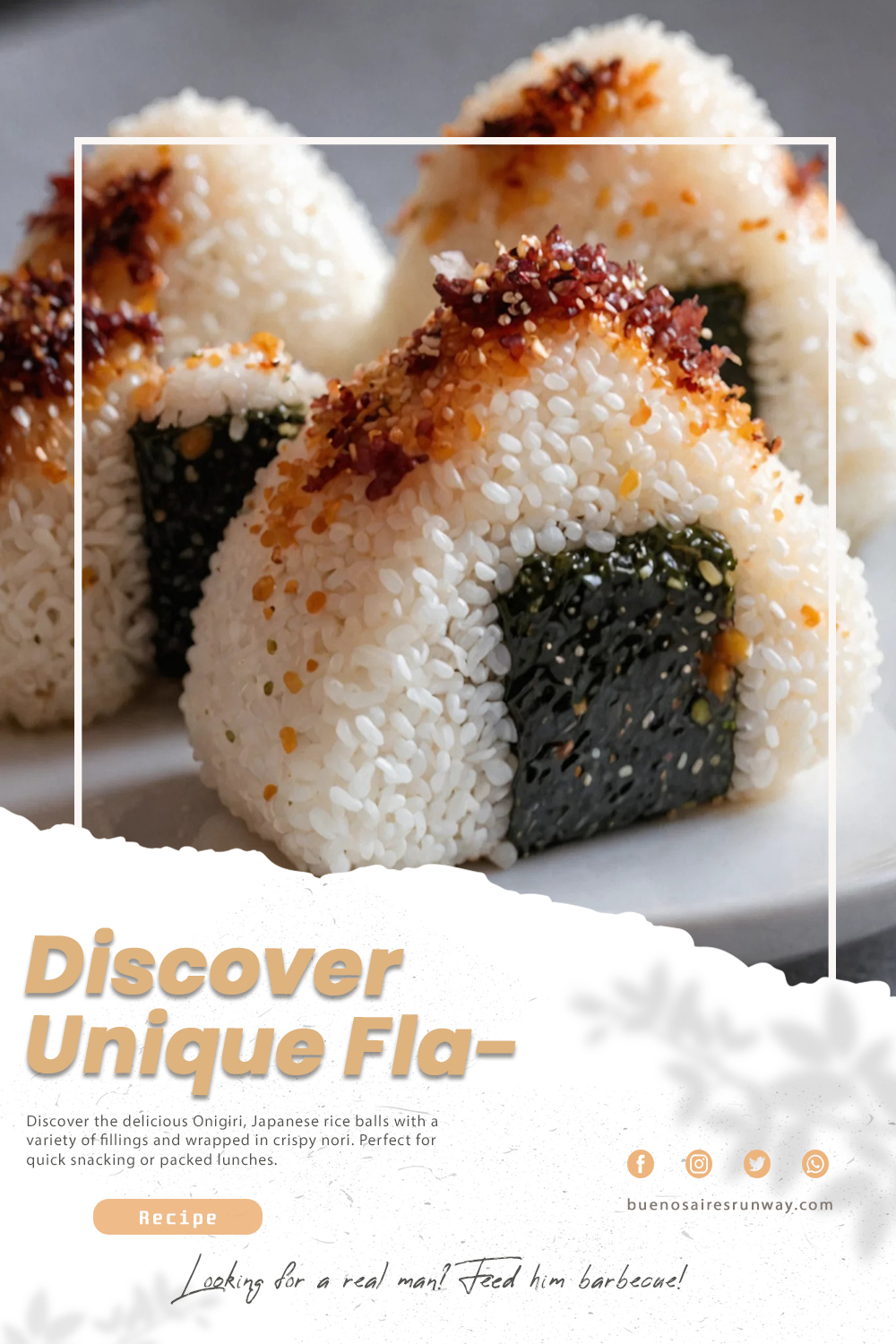
When the weather turns cold and you find yourself huddling indoors, there’s nothing quite like a warm and comforting dish that requires minimal effort. Enter onigiri—Japanese rice balls that can be easily prepared in just 20 minutes and offer endless flavor possibilities. Imagine plump, perfectly seasoned rice wrapped snugly in nori seaweed, with a secret filling tucked inside—a burst of tangy pickled plum, savory tuna, or even crispy salmon. The smell of freshly steamed rice mingling with the sweet scent of vinegar-soaked sushi rice will transport you to a cozy Japanese kitchen.
Print
Discover Unique Flavors of Onigiri (Japanese Rice Balls)
Onigiri are Japanese rice balls filled with savory or sweet ingredients and wrapped in crispy nori, perfect for quick snacks or packed lunches.
- Total Time: 45
- Yield: 24 pieces
Ingredients
✓ 2 cups sushi rice
✓ 1/4 cup rice vinegar
✓ 2 tablespoons sugar
✓ 1 teaspoon salt
✓ 1 sheet nori, cut into strips
✓ Fillings of choice
Instructions
✓ Rinse the sushi rice and cook with water.
✓ Mix in seasoned rice vinegar.
✓ Shape rice into balls or oblong shapes.
✓ Place fillings in center of each shape.
✓ Wrap with nori and bake until crispy.
✓ Cool slightly before serving.
Notes
Handle the rice gently to maintain its texture. Ensure fillings are not overfilled to avoid leakage during baking.
- Prep Time: 15
- Cook Time: 30
- Category: Appetizer/Dessert
- Cuisine: Asian
Nutrition
- Calories: 120
- Sugar: 3
- Sodium: 120
- Fat: 1.5
- Carbohydrates: 22
- Fiber: 0.8
- Protein: 2
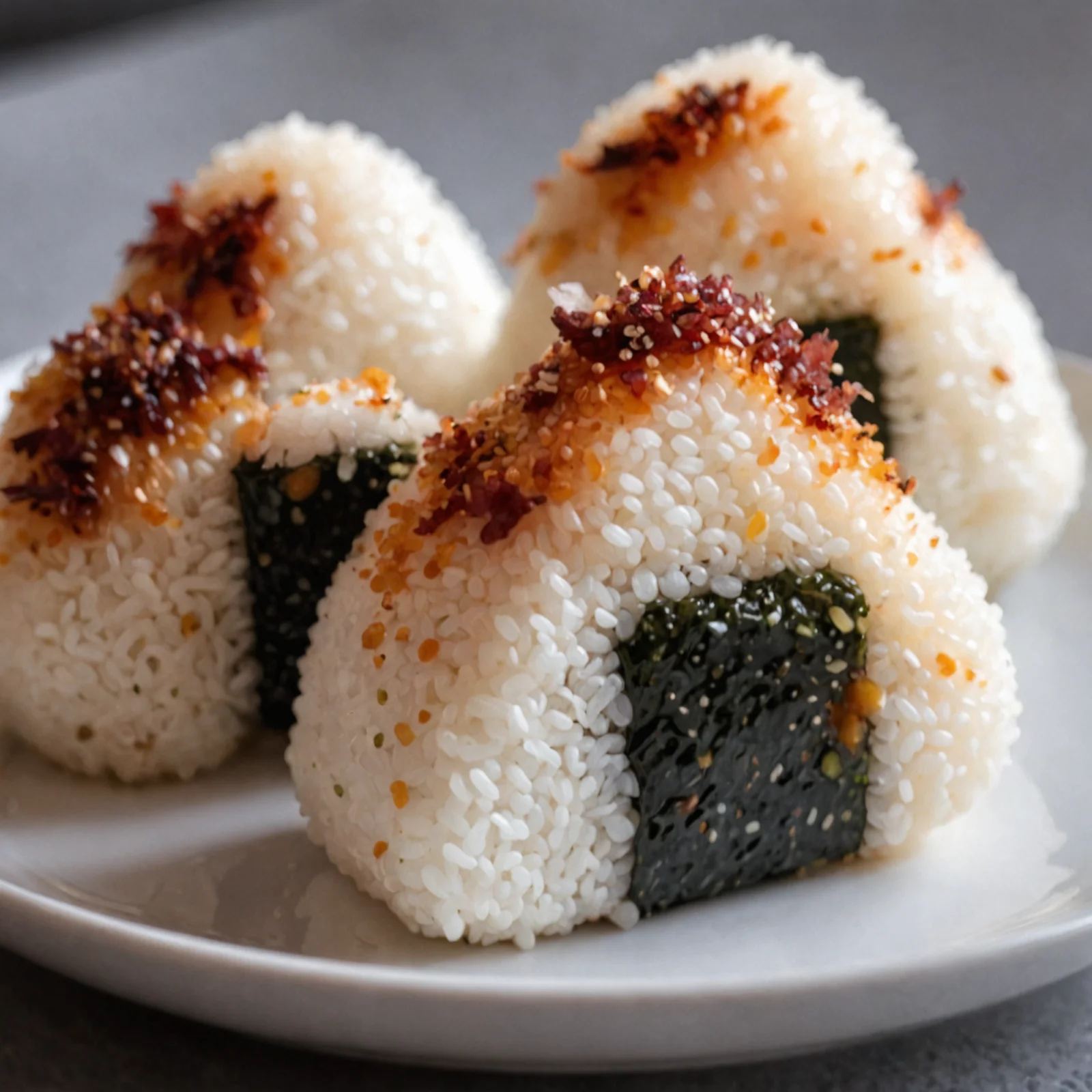
Onigiri are not only versatile but also incredibly satisfying, making them a perfect snack or light meal for busy weeknights. They can be enjoyed on their own or paired with a simple miso soup and pickled vegetables for a complete and comforting meal. The key ingredients—sushi rice, nori, and fillings of choice—are what make these little bites so unique and enjoyable.
Key Ingredients
- Sushi Rice (2 cups) — This short-grain Japanese rice is essential for onigiri as it has the perfect sticky quality that holds together when cooked. It must be rinsed before cooking.
- Water (2 1/2 cups) — The liquid used to cook the sushi rice; ensure it’s filtered or filtered water, which is preferred in Japan.
- Rice Vinegar (1/4 cup) — A mild vinegar that infuses the rice with a subtle tanginess. It can be found at Asian grocery stores or online.
- Sugar (2 tablespoons) — Balances out the acidity of the rice vinegar and enhances its flavor.
- Salt (1 teaspoon) — Enhances all other flavors in the dish, making it essential for seasoning the sushi rice.
- Nori (Sheet, cut into strips) — Dried seaweed sheets that provide a crispy outer layer when baked. Use high-quality nori to ensure a good crunch.
- Fillings of Choice — These can range from savory like tuna or salmon to sweet options like pickled plum (umeboshi). Other choices could include seasoned vegetables, cheese, or even plain without fillings for simple onigiri.
These ingredients come together in harmony to create the perfect balance between sticky rice, crispy nori, and flavorful fillings. The combination of textures—from the soft, moist rice to the crunchy seaweed—makes each bite an experience.
Step-by-Step Instructions
Preparation
- Rinse the Sushi Rice — Place 2 cups of sushi rice in a fine mesh strainer and rinse under cold water until the water runs clear. Drain thoroughly.
- Cook the Rice — In a medium-sized pot, combine the rinsed rice with 2 1/2 cups of filtered water. Bring to a boil over high heat. Once boiling, reduce heat to low, cover, and simmer for about 15 minutes or until all the water is absorbed.
- Mix in Seasonings — Remove from heat and let sit covered for 10-15 minutes. Meanwhile, mix the rice vinegar, sugar, and salt in a small bowl. Once the rice has cooled slightly, gently fold in the seasoning mixture until it’s evenly distributed. Be careful not to overmix; this can make the rice too sticky.
Cooking
- Prepare Nori Strips — Lay out strips of nori on a clean surface. These will be used to wrap around the rice.
- Shape the Rice — Using your hands, shape about 2 tablespoons of sushi rice into oblong shapes or small balls (about the size of an egg). You can use a small spoon for this step if it’s easier.
- Add Fillings — Place one filling in the center of each shaped rice ball. Be careful not to overfill; you want to leave enough space for the nori and shaping without making them too large.
- Wrap and Seal — Take a strip of nori and fold it around the filling, ensuring that it’s well-sealed. You can use a little water on your fingers to help seal the edges if needed.
- Bake — Preheat your oven to 350°F (175°C). Place the wrapped onigiri on a baking sheet lined with parchment paper and bake for about 12-15 minutes or until the nori is crispy and golden brown.
Assembly
- Assembly Notes — While baking, you can assemble your onigiri in batches to ensure they don’t get soggy from sitting around. Once baked, let them cool slightly before serving.
Why You’ll Love This Recipe
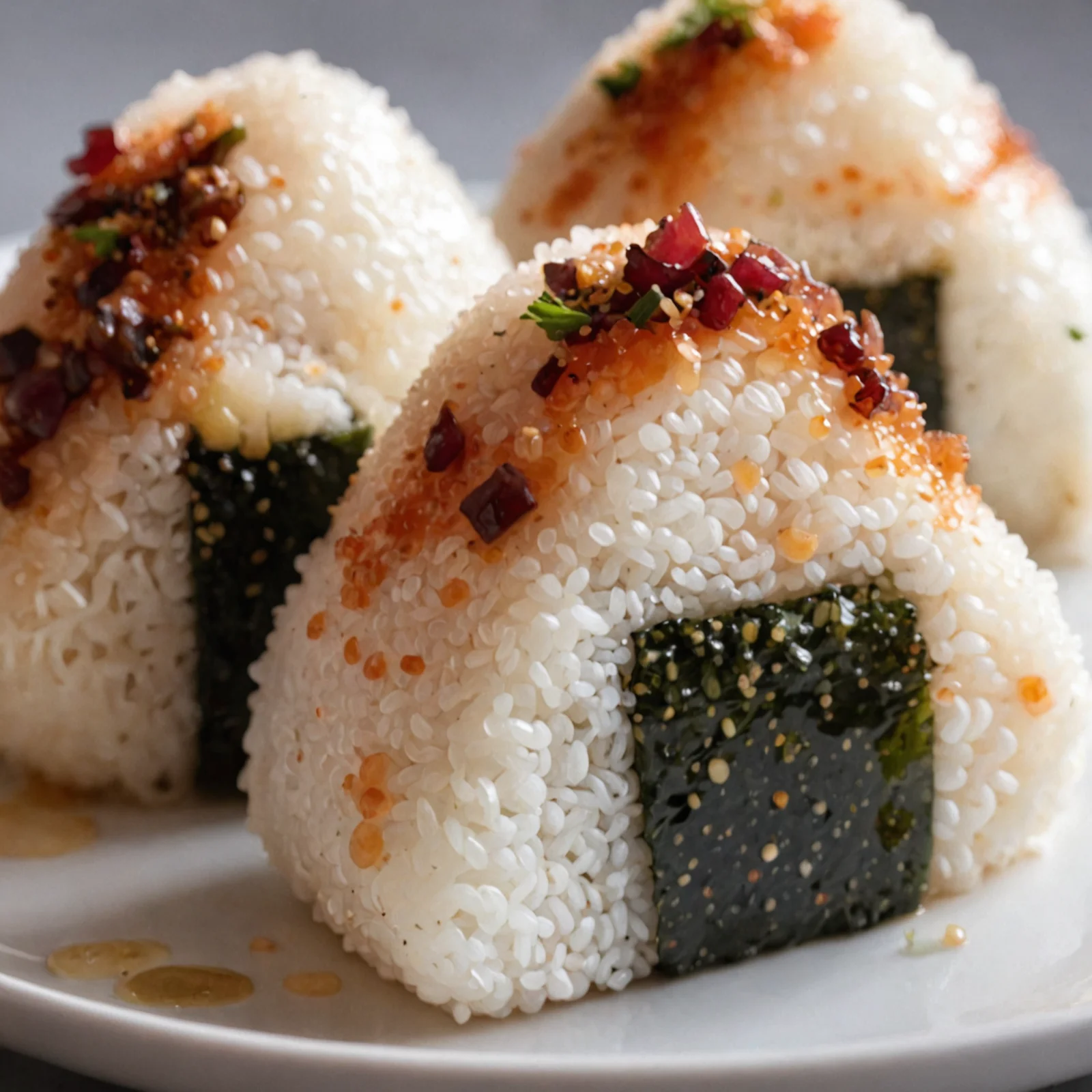
Onigiri are not only a delightful treat but also incredibly versatile and easy to make. They’re perfect for quick snack times or packed lunches due to their compact size and long shelf life. The combination of flavors in each bite is simply irresistible—whether you prefer the tangy umeboshi, savory tuna, or even just plain rice with nori. These little bundles are a fantastic way to enjoy Japanese cuisine without too much fuss.
Tips for Making Perfect Onigiri
- Using the Right Rice — Sushi rice is crucial because it has a high starch content that allows it to be sticky and hold its shape.
- Properly Seasoning the Rice — Mix in the vinegar, sugar, and salt gently after cooking; this will ensure even distribution of flavors without overmixing the rice.
- Handling the Rice Gently — Be gentle when shaping the rice into balls or oblong shapes to avoid pressing out all the moisture.
- Avoiding Overfilling — Make sure you leave enough space in the center for wrapping and sealing; too much filling can make your onigiri difficult to handle.
Time Details
- Preparation: 15 minutes
- Cooking: 30 minutes (baking time included)
- Total Time: 45 minutes
Nutritional Information
Calories: 120 kcal per piece
Protein: 2g
Carbohydrates: 22g
Fat: 1.5g
Fiber: 0.8g
Sugar: 3g
Sodium: 120mg
FAQs
- Can I Substitute the Sushi Rice? — Yes, you can use other short-grain rice like Japanese short-grain or even sticky rice (glutinous). However, they may not have the same texture as sushi rice.
- How Can I Store Onigiri? — If not eating immediately, wrap onigiri in plastic wrap and store them at room temperature for up to 1 day. For longer storage, freeze individually wrapped onigiri for up to 3 months.
- Are There Any Variations or Substitutions? — Absolutely! You can experiment with different fillings such as cheese, mashed avocado, or even plain rice without any fillings. Nori sheets come in various flavors too, so you could try a more savory option.
- Can I Make These onigiri Ahead of Time? — Yes, prepare and wrap the onigiri up to 1 day ahead of time. Simply bake them when ready to serve for best results.
Conclusion
Onigiri are an excellent choice for those looking for quick and satisfying snacks or meals that pack well for work or travel. With their simple ingredients and versatile fillings, you can create a whole range of flavors from sweet to savory. Give this recipe a try and see how easy it is to enjoy these delicious Japanese rice balls at home!