What You’ll Need: Ingredients List
Gather these simple components to create a snack that is as beautiful as it is delicious. Precision in slicing is key for the perfect chip.
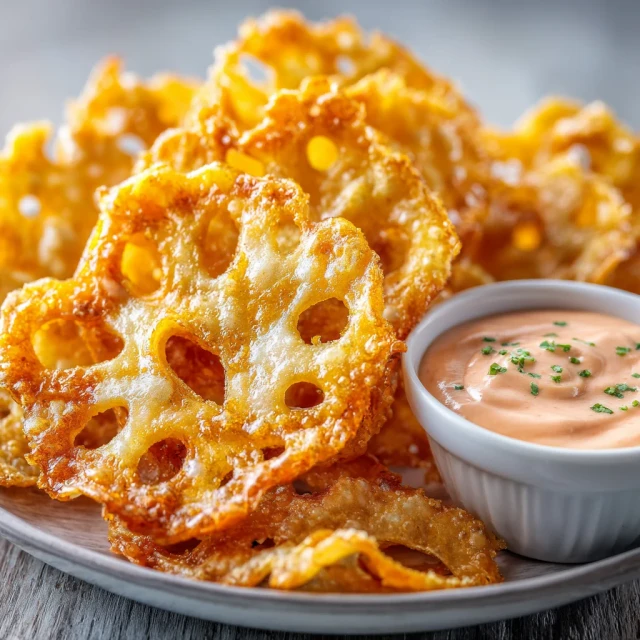
For the Lotus Root Chips
- 1 medium lotus root (about 250g), peeled
- 2 cups cold water
- 1 tablespoon rice vinegar or white vinegar
- 1 ½ cups neutral oil (like grapeseed or canola), for frying
- ½ teaspoon fine sea salt
- ¼ teaspoon smoked paprika (optional, for color)
For the Gochujang Aioli
- ½ cup high-quality mayonnaise
- 1 tablespoon Korean gochujang paste
- 1 teaspoon fresh lime juice
- 1 teaspoon rice vinegar
- 1 small garlic clove, finely minced or grated
- ½ teaspoon toasted sesame oil
- 1 teaspoon honey or maple syrup
- 1 tablespoon thinly sliced green onion (green part only)
Crafting Your Chips: Step-by-Step Guide
Follow these detailed instructions for foolproof, crispy results. The process is straightforward but requires attention during frying.
Step 1: Prepare the Lotus Root
Peel the lotus root thoroughly with a vegetable peeler. Using a mandoline slicer or a very sharp knife, slice the root into paper-thin rounds, about 1/16-inch thick. Immediate placement into acidulated water prevents browning and removes excess starch.
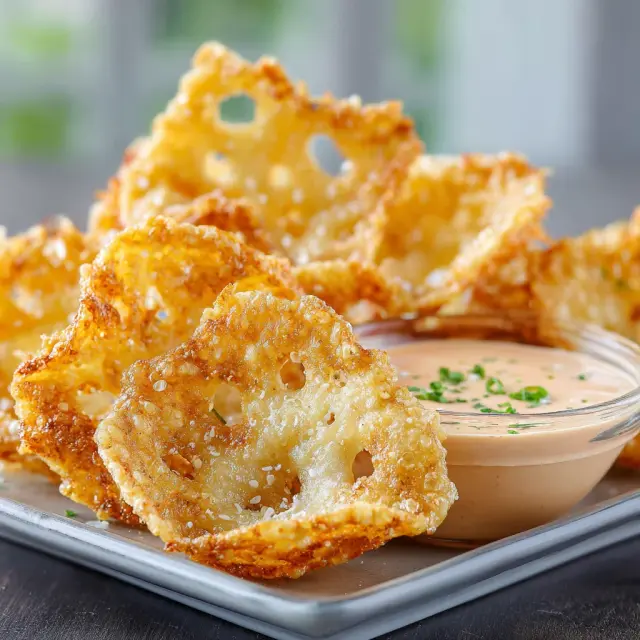
Beginner Tip: A mandoline ensures uniform thickness, which is critical for even cooking. Always use the safety guard! If slicing by hand, take your time for consistency.
Step 2: Fry to Perfection
Heat the oil in a heavy-bottomed pot or wok over medium heat to 325°F (163°C). Use a deep-fry or candy thermometer for accuracy. While the oil heats, drain the lotus root slices and pat them completely dry with a clean kitchen towel or paper towels. Any moisture will cause the oil to splatter.

Fry in small batches to avoid crowding and temperature drop. Gently add a handful of slices, stirring occasionally. They will initially sink, then float as they crisp. Fry for 2-4 minutes until they are lightly golden and no longer bubbling vigorously. Remove with a slotted spoon or spider strainer and drain on a wire rack set over a baking sheet. Sprinkle immediately with salt and optional smoked paprika.
Common Mistake: Frying at too high a temperature will burn the edges before the centers crisp. Too low, and the chips will be greasy. Maintaining 325°F is essential.
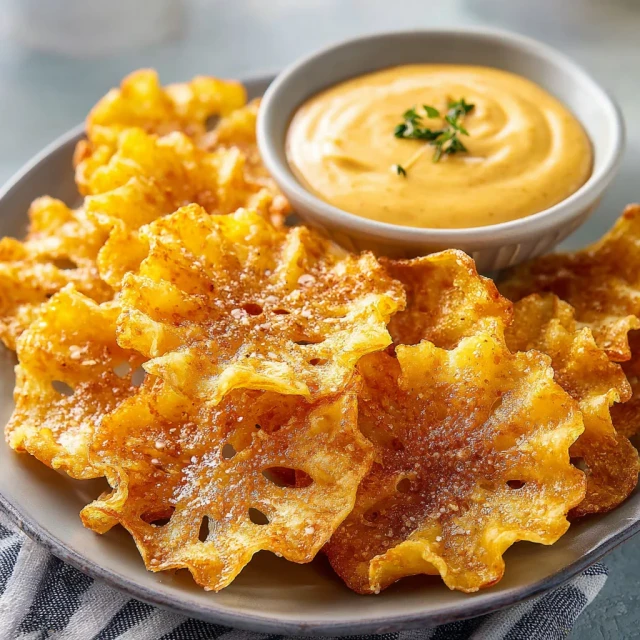
Crispy Lotus Root Chips with Gochujang Aioli
Thin slices of lotus root transform into delicate, golden chips with a satisfying crunch. They are paired with a creamy, tangy, and subtly spicy dipping sauce. This elegant appetizer combines crisp texture with complex, umami-rich flavors.
- Total Time: 30
- Yield: 4 servings
Ingredients
- 1 medium lotus root (about 250g), peeled
- 2 cups cold water
- 1 tablespoon rice vinegar or white vinegar
- 1 ½ cups neutral oil (like grapeseed or canola), for frying
- ½ teaspoon fine sea salt
- ¼ teaspoon smoked paprika (optional, for color)
Instructions
- Prepare the lotus root: Using a mandoline or sharp knife, slice the peeled lotus root into very thin rounds, about 1/16-inch thick.
- Immediately place the slices in a bowl with the cold water and vinegar to prevent browning. Soak for 10 minutes.
- Drain the slices and pat them completely dry with a clean kitchen towel or paper towels. Any moisture will cause oil to splatter.
- Heat the oil in a wok or deep, heavy-bottomed pot over medium-high heat to 350°F (175°C).
- Fry the chips in small batches to avoid overcrowding. Carefully add a single layer of slices to the hot oil.
- Fry for 2-4 minutes, flipping occasionally, until golden brown and crisp. Remove with a slotted spoon or spider and drain on a wire rack set over a baking sheet or on paper towels.
- While still hot, sprinkle the chips with the salt and optional smoked paprika. Repeat with remaining slices.
- For the Gochujang Aioli: While the chips fry, in a small bowl, whisk together the mayonnaise, gochujang, lime juice, honey, and garlic until smooth.
- Serve the crispy lotus root chips immediately with the gochujang aioli for dipping.
Notes
For best results, slice the lotus root as thinly and evenly as possible. Ensure the slices are thoroughly dried before frying to prevent splattering and ensure crispiness. The chips are best eaten fresh but can be stored in an airtight container for up to 2 days. Re-crisp in a 300°F (150°C) oven for a few minutes if needed. Adjust the amount of gochujang in the aioli to your preferred spice level.
- Prep Time: 15
- Cook Time: 15
- Category: Appetizer
- Method: Baking
- Cuisine: International
Nutrition
- Serving Size: 1 serving
- Calories: 33
- Sugar: 2
- Sodium: 49
- Fat: 0
- Saturated Fat: 0
- Unsaturated Fat: 0
- Trans Fat: 0
- Carbohydrates: 7
- Fiber: 1
- Protein: 1
- Cholesterol: 1
Step 3: Make the Gochujang Aioli
While the chips cool, combine all aioli ingredients—mayonnaise, gochujang, lime juice, rice vinegar, garlic, sesame oil, and honey—in a small bowl. Whisk vigorously until smooth and uniformly orange-pink. Fold in the sliced green onion. Taste and adjust seasoning, adding a pinch more salt or a drop more honey if desired. Cover and refrigerate until ready to serve.
Foundations for Success: Key Techniques
- Dry Thoroughly: This is the non-negotiable step for safe frying and maximum crispness.
- Fry in Batches: Overloading the oil lowers the temperature, resulting in soggy, oily chips.
- Use a Thermometer: Guessing the oil temperature is the most common beginner error.
- Cool on a Rack: Letting chips drain on a wire rack prevents steam from making them soggy, unlike draining on paper towels which can trap moisture.
Ideas for Serving and Presentation
Presentation elevates this snack. Serve the golden chips piled high in a shallow bowl or arranged on a slate board. Place the vibrant gochujang aioli in a small ramekin alongside. For a seasonal touch in autumn, garnish the plate with a few edible flower petals or shiso leaves. These chips are perfect as a pre-dinner bite with sparkling wine or craft beer.
How This Recipe Stands Apart
Unlike common potato or kale chips, lotus root chips offer a uniquely lacy appearance and a delicate, slightly sweet flavor. The gochujang aioli is a significant upgrade from standard dips, introducing fermented, spicy, and sweet notes that plain garlic aioli or ketchup cannot match. This combination is visually striking and offers a sophisticated flavor profile rarely found in homemade snacks.
Frequently Asked Questions
Can I bake these chips instead of frying?
You can, but the texture will differ. Arrange dried slices on parchment-lined baking sheets, spray lightly with oil, and bake at 375°F (190°C) for 15-20 minutes, flipping halfway. Watch closely, as they can burn quickly. They will be crisp but less uniformly so than fried chips.
Where can I find lotus root?
Look in the produce section of well-stocked supermarkets or at Asian grocery stores. Choose firm, heavy roots with smooth skin and no soft spots.
How do I store leftovers?
Store completely cooled chips in an airtight container at room temperature for up to 2 days. The aioli can be refrigerated in a sealed container for up to 5 days.
What can I substitute for gochujang?
For a different flavor, try mixing 1 tbsp sriracha or ½ tbsp tomato paste with ½ tbsp chili flakes and a pinch of sugar. The distinct fermented taste of gochujang will be missing, but it will still be tasty.
Why did my chips turn out chewy?
Chewiness is caused by oil that is too cool or slices that are too thick. Ensure your oil is at a steady 325°F and your slices are translucent-thin before frying.