
Dump-and-Bake Chicken Parmesan Casserole: The No-Fuss Revolution for the Modern Kitchen
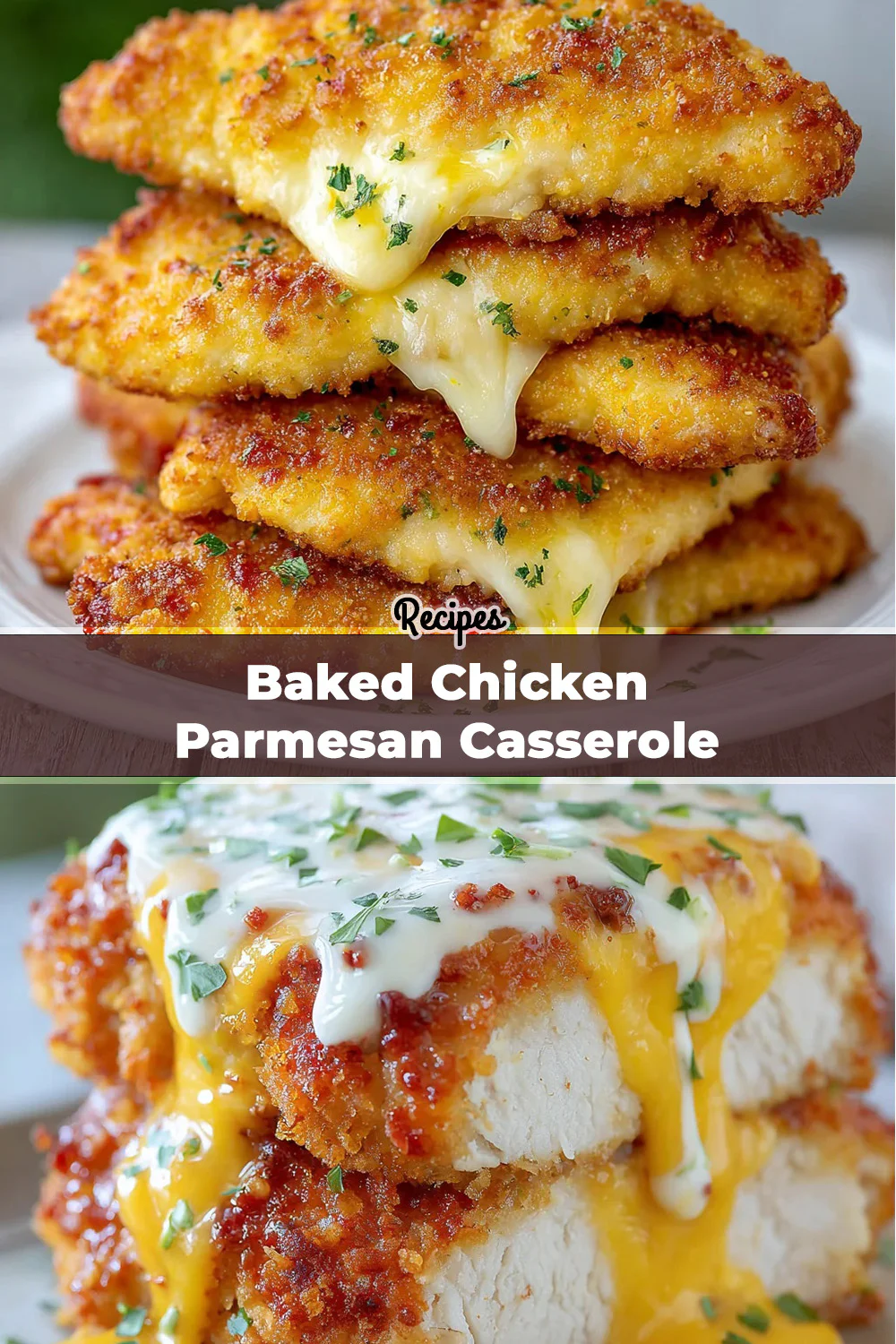
In the pantheon of beloved comfort foods, Chicken Parmesan holds a place of honor. The crispy, golden breaded chicken, the tangy marinara, the blanket of melted mozzarella and Parmesan—it’s a symphony of textures and flavors that feels like a hug on a plate. Yet, for many home cooks, the traditional preparation—the dredging, the frying, the careful assembly—is a weekend project, not a Tuesday night solution. Enter the Dump-and-Bake Chicken Parmesan Casserole, a culinary paradigm shift that delivers all the soul-satisfying essence of the classic with a fraction of the effort and time. This isn’t just a recipe; it’s a strategy for reclaiming your evenings without sacrificing flavor or quality. In this comprehensive guide, we’ll explore the art and science of this one-pan wonder, providing you with everything you need to master this revolutionary approach to a timeless favorite.
Deconstructing the Dump-and-Bake Phenomenon
The term “dump-and-bake” might sound irreverent, but it perfectly encapsulates the method’s beautiful simplicity. It represents a move away from multi-step, technique-heavy cooking towards streamlined, efficient assembly. The philosophy is straightforward: combine raw or minimally prepped ingredients in a single baking dish, and let the oven do the transformative work. For Chicken Parmesan, this means bypassing the entire stovetop frying step. Instead, ingredients layer and meld in the dry, even heat of the oven, creating a dish that is surprisingly cohesive and deeply flavorful.
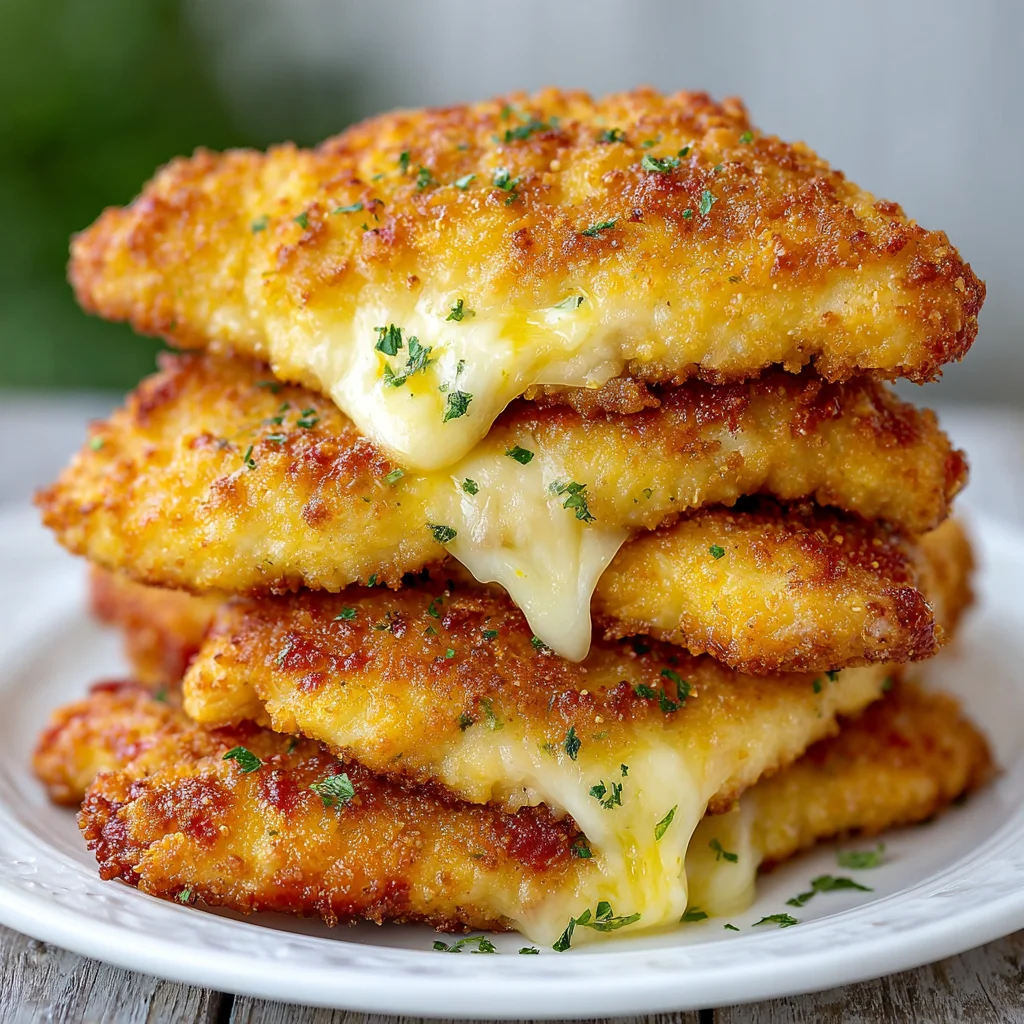
Why This Method Wins: The Practical Benefits
- Time Efficiency: Active prep time slashes from 45+ minutes to about 15. No standing over a skillet means you can prep sides, help with homework, or simply relax.
- Minimal Cleanup: One baking dish. One spoon for stirring. That’s it. This single benefit is often the deciding factor for exhausted cooks.
- Healthier Profile: By eliminating pan-frying, you significantly reduce the added fats and oils, resulting in a lighter yet still indulgent-tasting casserole.
- Forgiving Nature: The casserole format is inherently flexible. Slight variations in ingredient amounts or bake times rarely lead to disaster, making it perfect for cooks of all skill levels.
- Meal Prep & Crowd-Pleasing Excellence: It scales effortlessly for a crowd and reheats beautifully, making it ideal for potlucks, new parents, or weekly meal prep.
The Core Recipe: A Blueprint for Success
This foundational recipe is your starting point. Master this, and a world of variations will open up to you.
Ingredients (Serves 6-8)
- 2 lbs. boneless, skinless chicken breasts or thighs, cut into 1-inch cubes
- 1 (24-25 oz) jar of good-quality marinara sauce
- 1 (16 oz) box of uncooked penne, ziti, or rigatoni pasta
- 2 cups water or chicken broth
- 1 cup shredded mozzarella cheese, divided
- 1/2 cup grated Parmesan cheese, divided
- 1 tsp dried Italian seasoning
- 1/2 tsp garlic powder
- 1/2 tsp onion powder
- 1/2 tsp salt (adjust based on sauce saltiness)
- 1/4 tsp black pepper
- 1 cup Italian-style panko breadcrumbs
- 2 tbsp melted butter or olive oil
- Fresh basil or parsley, for garnish (optional)
Step-by-Step Instructions
- Prep and Preheat: Preheat your oven to 425°F (220°C). This high heat is crucial for cooking the pasta and chicken through while creating a flavorful, slightly caramelized top. Lightly grease a 9×13 inch baking dish.
- The “Dump”: In the prepared baking dish, combine the uncooked pasta, cubed raw chicken, marinara sauce, water or broth, 1/2 cup of the mozzarella, 1/4 cup of the Parmesan, and all the dried seasonings (Italian seasoning, garlic powder, onion powder, salt, pepper). Stir thoroughly until every piece of pasta and chicken is coated. The liquid will seem abundant; this is necessary for the pasta to absorb and cook properly.
- First Bake (The Cooking Phase): Cover the dish tightly with aluminum foil. This traps steam, which is the engine that cooks the pasta and chicken. Bake for 35 minutes.
- Prepare the Topping: While the casserole bakes, mix the panko breadcrumbs with the melted butter or olive oil in a small bowl. Stir in the remaining 1/4 cup of Parmesan cheese. This creates the crispy, golden crust.
- Uncover and Top (The Finishing Phase): After 35 minutes, carefully remove the dish from the oven. The pasta should be al dente and the chicken cooked through. Stir the casserole well. If it looks too dry (unlikely), add a splash of water or broth. Sprinkle the remaining 1/2 cup of mozzarella evenly over the top, followed by the buttery panko-Parmesan mixture.
- Second Bake (The Browning Phase): Return the dish to the oven, uncovered, for 10-15 minutes, or until the topping is deeply golden and the cheese is bubbly.
- Rest and Serve: Let the casserole stand for 5-10 minutes before serving. This allows the sauce to thicken slightly and makes serving easier. Garnish with fresh herbs if desired.
The Science of Success: Why It Works Without Frying
Understanding the food science behind this method builds confidence and allows for intelligent improvisation. The key lies in the management of moisture and heat.
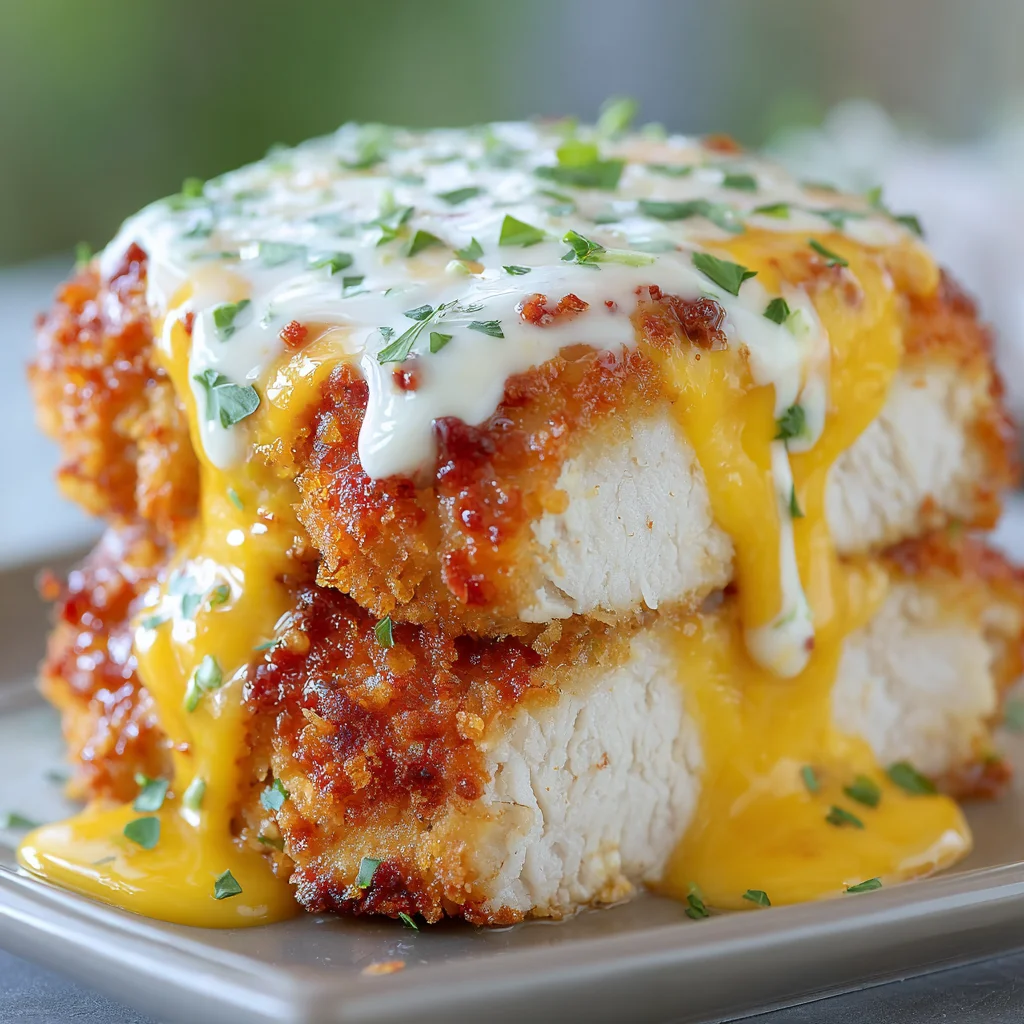
Moisture Management: The Pasta Paradox
Using uncooked pasta is the heart of the technique. The pasta absorbs the liquid from the sauce, water/broth, and juices released from the chicken as it cooks. This absorption accomplishes three critical tasks: it hydrates and cooks the pasta to a perfect al dente texture; it concentrates the flavors of the sauce as the liquid reduces; and it creates a starchy, thickened sauce that clings beautifully to every component. The tight foil cover during the first bake is non-negotiable—it creates a pressurized, steamy environment that ensures even cooking and prevents the top layer of pasta from drying out before it softens.
Protein Chemistry: Chicken in a Steam Bath
Cooking the raw chicken directly in the casserole leverages gentle, moist heat. Unlike the high, dry heat of frying or baking alone, the steamy environment poaches the chicken cubes, resulting in remarkably tender and juicy meat. Because the chicken is cut into small, uniform pieces, it cooks through at the same rate as the pasta, guaranteeing food safety and perfect texture simultaneously. The chicken also seasons the entire dish from within as its juices mingle with the sauce.
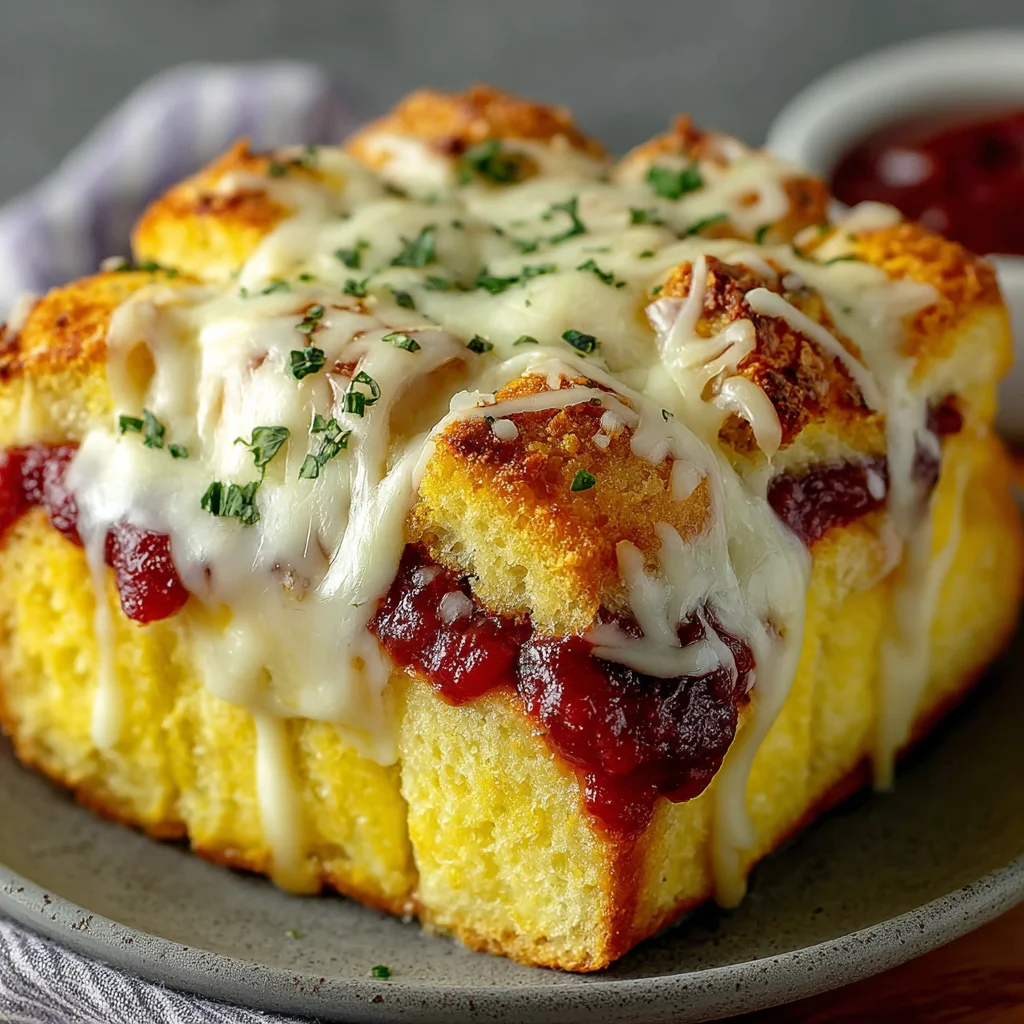
The Flavor Fusion Principle
In traditional Chicken Parm, each component is cooked separately and then layered. Here, everything marinates and cooks together from the start. This prolonged, intimate contact allows for a deeper exchange of flavors. The starches from the pasta thicken the sauce, the chicken juices enrich it, and the herbs and cheeses perfume the entire dish uniformly. The result is a more harmonized, complex flavor profile than the sum of its parts.
Master-Level Variations and Customizations
The basic recipe is a canvas. Here’s how to paint your masterpiece.
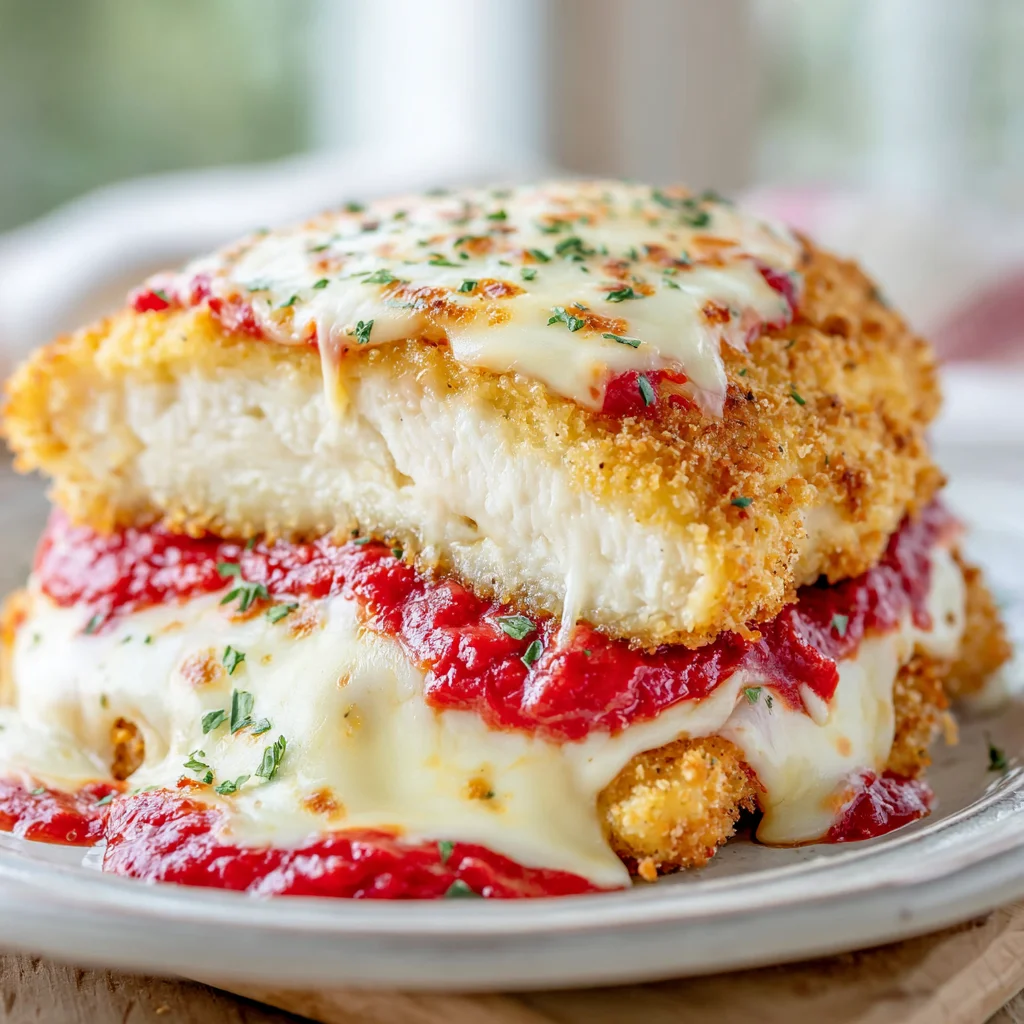
Protein Swaps and Twists
- Italian Sausage: Replace half the chicken with bulk Italian sausage (mild or hot) for a richer, more robust flavor. Brown it lightly before adding for extra depth.
- Turkey or Pork: Cubed turkey breast or pork tenderloin work beautifully as direct substitutes.
- Plant-Powered: Use two cans of drained and rinsed cannellini beans or chickpeas, or a plant-based chicken alternative. Add them after the first bake to prevent mushiness.
Sauce and Flavor Explorations
- Arrabbiata: Use a spicy arrabbiata sauce and add a pinch of red pepper flakes for a kick.
- Vodka Sauce: A jar of creamy vodka sauce creates an incredibly luxurious, restaurant-style casserole.
- Pesto Swirl: After the first bake, dollop 1/2 cup of basil pesto over the casserole before adding the cheese and swirl gently.
- Vegetable Boost: Add 2 cups of fresh spinach, diced zucchini, or sliced mushrooms to the initial mix. They’ll cook down perfectly in the steam.
Cheese and Topping Innovations
- Four-Cheese Blend: Incorporate provolone, fontina, or asiago into the cheese mix.
- Crispy Prosciutto: Crumble crispy cooked prosciutto into the breadcrumb topping for a salty, savory crunch.
- “Fried” Topping: For a closer mimic to traditional Parm, mix the panko with a little grated Parmesan and a drizzle of olive oil, spread on a separate sheet pan, and toast in the oven during the last 10 minutes of the first bake. Sprinkle over the melted cheese for the final bake.
Practical Examples: From Recipe to Real Life
Example 1: The “Clean Out the Fridge” Version
Scenario: It’s Thursday. You have 1.5 chicken breasts, half a jar of marinara, some leftover rotini, a handful of baby spinach, and a few cheese ends. Solution: Cube the chicken. In the dish, combine the rotini, chicken, sauce, 1.5 cups of water, the spinach, and any shredded cheese (cheddar works in a pinch!). Top with crushed crackers mixed with butter. Bake as directed. You’ve prevented food waste and created a unique, delicious meal.
Example 2: The Freezer-to-Table Lifesaver
Scenario: An unexpected need for a meal to bring to a friend. Solution: Keep the core “dry” ingredients (pasta, seasonings, breadcrumbs) in your pantry and the “wet” (sauce, frozen chicken) in your freezer. You can assemble the casserole completely from frozen: use frozen chicken cubes (no need to thaw) and increase the first covered bake time by 10-15 minutes. A comforting, homemade meal is always within reach.
Advanced Tips for Flawless Execution
- Pasta Choice is Key: Sturdy, short shapes with ridges (penne, rigatoni, cavatappi) hold up best. Avoid long pasta or tiny shapes like orzo, which can become gummy.
- Broth vs. Water: Chicken broth adds a layer of savory flavor. For a richer taste, use it. For a purer tomato flavor or dietary restrictions, water works perfectly.
- The Stirring Step: Do not skip stirring after the first bake. It redistributes moisture and ensures even cooking, preventing dry pockets.
- Resting is Not Optional: The 5-10 minute rest allows the starches to set, transforming a sou
Related Posts
-
 Irresistible Roasted Red Pepper Pasta: A Quick, Velvety...Introduction to Roasted Red Pepper Pasta For busy women juggling work, family, and everything in…
 -
 Sausage Corn Chowder – The Ultimate Comfort Soup...Introduction There’s nothing quite like a warm bowl of sausage corn chowder to soothe your…
 -
 Spanish Baked Cod with Paprika: A Flavorful Dinner...Introduction to Spanish Baked Cod with Paprika Let me tell you, Spanish Baked Cod with…
 -
 Bubbling Over with Flavor: The Ultimate Pasta Recipe...Let’s talk pasta, shall we? Whether you’re juggling work deadlines, wrangling kids between soccer practice…
 -
 Creamy Smoked Sausage Pasta - A Rich &...Creamy Smoked Sausage Pasta Recipe | A Rich & Flavorful Comfort Dish Creamy Smoked Sausage…
 -
 Southwest Stuffed Bell Peppers: Flavorful Dinner Delight!Introduction to Southwest Stuffed Bell Peppers Let me tell you, there's something truly magical about…
 -
 Authentic Greek Gemista (Stuffed Vegetables): The Comfort Dinner...Introduction to Greek Gemista (Stuffed Vegetables) Let me tell you, Greek Gemista is like a…
 -
 Garlic Butter Shrimp Skillet: Juicy Dinner Ready in...Introduction to Garlic Butter Shrimp Skillet Let me tell you, the Garlic Butter Shrimp Skillet…
 -
 Teriyaki Salmon Bowls: Delicious and Healthy Dinner Recipe!Introduction to Teriyaki Salmon Bowls (No Alcohol) Let me tell you, Teriyaki Salmon Bowls are…
 -
 Cheesy Garlic Chicken Wraps The Ultimate Flavor Explosion!Cheesy Garlic Chicken Wraps – The Ultimate Flavor Explosion! Get ready for a meal that…
 -
 Mumbai-Style Vada Pav with Spiced ChutneyMumbai-Style Vada Pav is a popular Indian street food that consists of a crispy fried…
 -
 These Louisiana Voodoo Fries Are the Flavor Bomb...Let’s be real: sometimes, “What’s for dinner?” feels like a pop quiz you didn’t study…
-

📧 Save This Recipe to Your Email
Enter your email address below and receive this recipe instantly.
🍴 More Recipes
Vanilla Bean Frozen Yogurt: Indulge in Creamy Low-Calorie Bliss!
August 12, 2025Laotian Larb Recipe: Discover the Zesty Flavor of Southeast Asia
August 10, 2025Roasted Garlic Mashed Cauliflower: Creamy Low-Carb Delight!
September 16, 2025Southwest Quinoa Salad: Perfect Meal Prep Lunch Delight
August 21, 2025Baked Garlic Parmesan Zucchini: Crispy, Healthy Side Delight!
September 23, 2025