Mastering the Classic Saffron-Scented Seafood Bouillabaisse with Rouille
This saffron-scented seafood bouillabaisse is a celebration of the sea, a rustic yet elegant stew that captures the essence of coastal cooking. Paired with a vibrant, garlicky rouille, it transforms a humble fisherman’s catch into a luxurious dining experience. While it requires a bit of time, the process is deeply rewarding, filling your kitchen with intoxicating aromas and culminating in a bowl of pure comfort.

The magic of a true bouillabaisse lies in building layers of flavor, starting with a robust broth infused with fennel, orange, and the golden threads of saffron. We’ll then gently poach a variety of firm and delicate seafood to perfection. The accompanying rouille—a Provençal mayonnaise—adds a creamy, peppery kick that ties everything together. This recipe is designed to be approachable, guiding you through each stage with clarity to ensure a spectacular result, even on your first attempt.
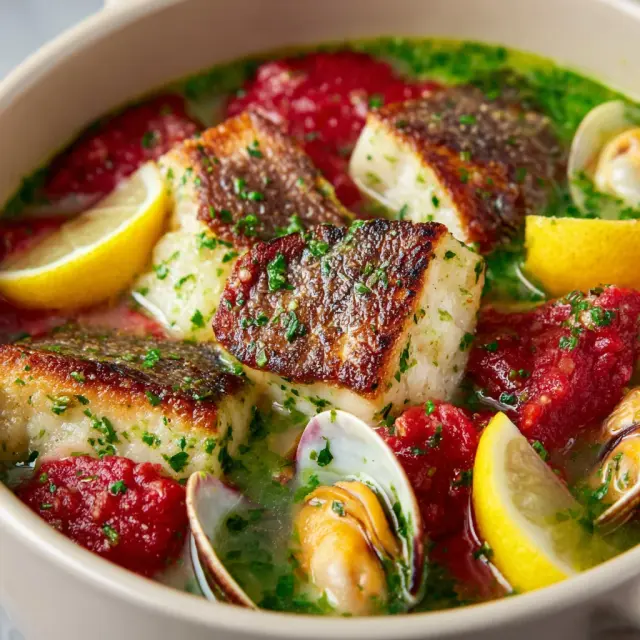
What You’ll Need: The Ingredients List
Gathering fresh, high-quality ingredients is the first step to an unforgettable bouillabaisse. The seafood can be adapted based on what’s freshest at your market.
For the Broth (The Flavor Foundation):
- 3 tablespoons olive oil
- 1 large fennel bulb, fronds reserved, bulb thinly sliced
- 1 large yellow onion, chopped
- 4 cloves garlic, minced
- 1 (28-ounce) can whole peeled tomatoes, crushed by hand
- 1 large strip of orange zest (use a vegetable peeler)
- 1 bay leaf
- 1 teaspoon dried thyme or 3 sprigs fresh thyme
- 1/2 teaspoon saffron threads, lightly crushed
- 1/4 teaspoon cayenne pepper (optional, for a hint of warmth)
- 4 cups fish stock or high-quality seafood stock
- 1 cup dry white wine (like Sauvignon Blanc)
- Sea salt and freshly ground black pepper to taste
For the Seafood (The Star Attraction):
- 1 pound firm white fish (such as halibut, cod, or sea bass), cut into 2-inch chunks
- 1/2 pound large shrimp (16/20 count), peeled and deveined, tails on or off
- 1/2 pound sea scallops, side muscle removed
- 1 pound mussels, scrubbed and debearded
- 1/2 pound clams (like littlenecks), scrubbed
For the Classic Rouille:
- 2 large egg yolks, at room temperature
- 2-3 cloves garlic, minced to a paste
- 1 tablespoon fresh lemon juice
- 1/2 cup neutral oil (like grapeseed or canola)
- 1/2 cup extra-virgin olive oil
- 1 small roasted red pepper (from a jar is fine), patted dry
- 1/4 teaspoon cayenne pepper, or to taste
- Salt to taste
For Serving:
- 1 baguette, sliced and toasted
- Fresh parsley or reserved fennel fronds, chopped
Crafting Your Bouillabaisse: A Step-by-Step Guide
Follow these detailed instructions to build your stew from the base up. Read through all steps before you begin.

Step 1: Building the Aromatic Base
In a large, heavy-bottomed pot or Dutch oven, heat the olive oil over medium heat. Add the sliced fennel and onion, cooking for 8-10 minutes until softened and just beginning to turn golden. Stir in the minced garlic and cook for another minute until fragrant. Tip: Avoid browning the garlic, as it can turn bitter.
Step 2: Creating the Infused Broth
Add the hand-crushed tomatoes with their juices, orange zest strip, bay leaf, thyme, crushed saffron threads, and cayenne (if using) to the pot. Stir well and cook for 5 minutes to let the tomatoes meld with the aromatics. Pour in the white wine, bring to a simmer, and let it reduce by half, about 5-7 minutes. This cooks off the alcohol and concentrates the flavor. Add the fish stock, bring to a gentle boil, then reduce the heat to low. Partially cover and let the broth simmer for 30 minutes. Season with salt and pepper. Tip: Taste the broth before adding the seafood—it should be well-seasoned, as the seafood will dilute it slightly.
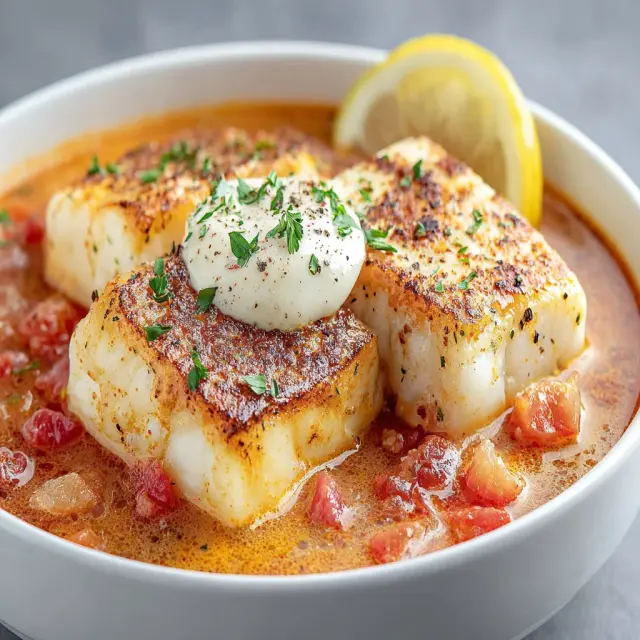
Step 3: Preparing the Rouille
While the broth simmers, make the rouille. In a food processor or blender, combine the egg yolks, garlic paste, lemon juice, and roasted red pepper. Blend until smooth. With the machine running, very slowly drizzle in the neutral oil, followed by the olive oil, until a thick, emulsified mayonnaise forms. Stir in the cayenne and salt. Transfer to a bowl, cover, and refrigerate until ready to serve.
Step 4: Poaching the Seafood to Perfection
This is the final, crucial stage. Bring the broth to a lively simmer over medium heat. Add the clams and mussels, cover the pot, and cook for 3 minutes. Add the chunks of firm fish and scallops, submerging them gently. Cover and cook for 3 more minutes. Finally, add the shrimp, cover, and cook for a final 2-3 minutes, or until all the shellfish have opened, the shrimp are pink and curled, and the fish flakes easily. Critical Tip: Discard any clams or mussels that do not open after cooking. Do not overcook the seafood, or it will become tough.
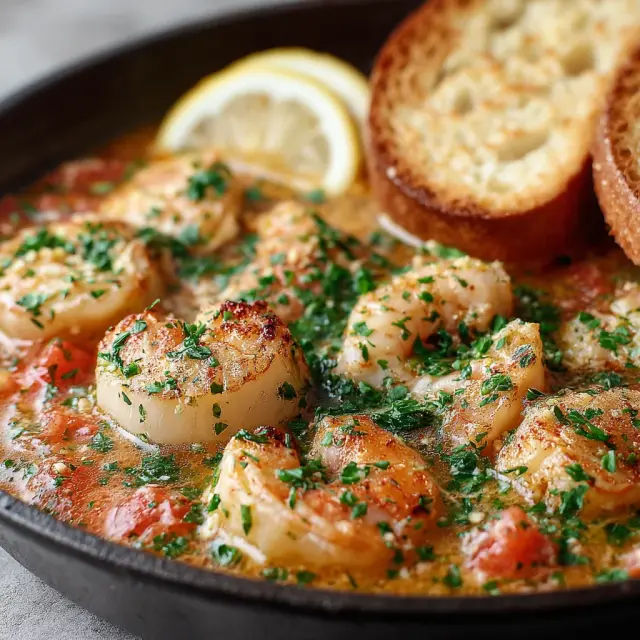
Step 5: The Final Assembly and Serve
Remove the pot from the heat. Discard the bay leaf and orange zest strip. Ladle the broth and generous portions of seafood into deep, warmed bowls. Spread the toasted baguette slices with the vibrant rouille and place one or two on top of each bowl or on the side. Garnish with chopped parsley or fennel fronds. Serve immediately, encouraging guests to stir some of the rouille into their broth for extra richness and flavor.
Essential Guidance for First-Time Cooks
If this is your first foray into making bouillabaisse, these pointers will set you up for success.
Saffron-Scented Seafood Bouillabaisse with Rouille
This saffron-scented seafood bouillabaisse is a celebration of the sea, a rustic yet elegant stew that captures the essence of coastal cooking. Paired with a vibrant, garlicky rouille, it transforms a humble fisherman’s catch into a luxurious dining experience. While it requires a bit of time, the process is deeply rewarding, filling your kitchen with intoxicating aromas and culminating in a bowl of pure comfort.
- Total Time: 1
- Yield: 4 servings
Ingredients
- 3 tablespoons olive oil
- 1 large fennel bulb, fronds reserved, bulb thinly sliced
- 1 large yellow onion, chopped
- 4 cloves garlic, minced
- 1 (28-ounce) can whole peeled tomatoes, crushed by hand
- 1 large strip of orange zest (use a vegetable peeler)
- 1 bay leaf
- 1 teaspoon dried thyme or 3 sprigs fresh thyme
- 1/2 teaspoon saffron threads, lightly crushed
- 1/4 teaspoon cayenne pepper (optional, for a hint of warmth)
- 4 cups fish stock or high-quality seafood stock
- 1 cup dry white wine (like Sauvignon Blanc)
- Sea salt and freshly ground black pepper to taste
Instructions
- Heat olive oil in a large, heavy-bottomed pot or Dutch oven over medium heat. Add the sliced fennel and chopped onion. Cook, stirring occasionally, until softened and just beginning to brown, about 8-10 minutes.
- Add the minced garlic and cook for 1 minute until fragrant.
- Stir in the hand-crushed tomatoes, orange zest strip, bay leaf, thyme, crushed saffron threads, and cayenne pepper (if using). Cook for 2-3 minutes to allow the flavors to meld.
- Pour in the white wine and bring to a simmer, scraping up any browned bits from the bottom of the pot. Let it simmer for 3-4 minutes to reduce slightly.
- Add the fish stock and season with sea salt and black pepper. Bring the soup to a boil, then reduce heat to low, cover, and simmer for 30 minutes to develop the flavors.
- While the soup simmers, prepare your seafood: scrub clams/mussels, peel and devein shrimp, and cut firm fish into 2-inch chunks. Pat all seafood dry.
- After 30 minutes, taste the broth and adjust seasoning. Increase heat to medium-high to bring the broth to a lively simmer. Add the clams and mussels (if using), cover, and cook for 3-4 minutes.
- Add the firm fish and scallops (if using), cover, and cook for 2 minutes. Finally, add the shrimp and any delicate fish, cover, and cook for 2-3 more minutes, or until all seafood is just cooked through and shellfish have opened. Discard any unopened shells.
- Remove the pot from heat. Discard the bay leaf and orange zest strip.
- Ladle the bouillabaisse into deep bowls, ensuring each serving gets a variety of seafood. Garnish with chopped reserved fennel fronds or fresh parsley. Serve immediately with toasted baguette slices and rouille on the side.
Notes
For the best flavor, use a variety of at least 3 types of fresh, firm-fleshed seafood (e.g., cod, halibut, scallops, shrimp, mussels, clams). Do not overcook the seafood; add it in stages according to cooking time. The rouille (a garlic-saffron mayonnaise) is traditional: blend 1/2 cup mayo, 1 garlic clove, a pinch of saffron, and a dash of cayenne. A pinch of saffron is potent; lightly toast threads in a dry pan for 10 seconds to maximize aroma before crushing. Fish stock is key; if using bottled, choose a high-quality, low-sodium version.
- Prep Time: 25
- Cook Time: 45
- Category: Main Course
- Method: Baking
- Cuisine: Italian
Nutrition
- Serving Size: 1 serving
- Calories: 141
- Sugar: 4
- Sodium: 212
- Fat: 10
- Saturated Fat: 3
- Unsaturated Fat: 7
- Trans Fat: 0
- Carbohydrates: 12
- Fiber: 1
- Protein: 2
- Cholesterol: 4
- Mise en Place is Key: Have all your vegetables chopped, seafood cleaned and portioned, and ingredients measured before you turn on the stove. The cooking process moves quickly at the end.
- Saffron Handling: Lightly crush the saffron threads between your fingers before adding them to the pot. This helps release their color and aroma. Don’t skip it—it’s the soul of the dish.
- Seafood Sequence Matters: Adding the seafood in stages based on cooking time is non-negotiable. Delicate shrimp and scallops will turn rubbery if cooked as long as clams need to open.
- Broth is Everything: Don’t rush the broth simmering time. This is where the deep, complex flavor develops. If it tastes a bit flat, a pinch more salt or a squeeze of lemon juice at the end can brighten it wonderfully.
- Rouille Troubleshooting: If your rouille “breaks” or separates, don’t panic. Place a fresh egg yolk in a clean bowl and very slowly whisk in the broken mixture until it re-emerges.
Expert Suggestions and Simple Swaps
This recipe is wonderfully adaptable. Use these ideas to make it your own.
- Seafood Substitutions: No scallops? Use more firm fish. Add chunks of salmon for richness, or lobster tail for a special occasion. Crab legs added in the last few minutes are also fantastic.
- Stock Solution: If fish stock is unavailable, a combination of bottled clam juice and water (in a 50/50 ratio) makes a good substitute. Avoid overly salty stocks.
- Spice Level: Control the heat in the rouille with the cayenne. For a smokier note, add a pinch of smoked paprika.
- Time-Saver: You can make the broth a day ahead. Store it in the refrigerator and gently reheat it before adding the seafood. This often improves the flavor.
Presenting Your Culinary Masterpiece
Presentation elevates this dish from a stew to a centerpiece. Serve it in wide, shallow bowls that show off the colorful seafood. Place a rouille-slathered crouton directly on top so it begins to soak up the broth. Scatter bright green herbs over everything. For a family-style approach, bring the pot to the table and ladle it out in front of your guests. Serve with a crisp, chilled white wine and a simple green salad dressed with a lemon vinaigrette to follow.
How This Bouillabaisse Stands Apart
Bouillabaisse is often compared to other seafood stews like Italian Cioppino or Spanish Zarzuela. The primary differences lie in the flavor profile and tradition. Cioppino often features a tomato-based broth with Italian herbs like oregano and basil, and sometimes includes red wine. Zarzuela frequently includes Spanish paprika and almonds. Authentic bouillabaisse, as reflected here, is defined by the trinity of fennel, saffron, and orange zest, creating a uniquely aromatic, sun-kissed broth that is lighter than its tomato-heavy cousins but deeply complex. The mandatory accompaniment of rouille is also a distinctive feature.
Your Bouillabaisse Questions, Answered
Can I use frozen seafood?
Yes, but thaw it completely in the refrigerator overnight first. Pat it very dry before adding to the pot to avoid watering down your broth. Fresh is ideal for texture and sweetness, but frozen is a practical alternative.
What if I can’t find saffron?
Saffron is integral, but in a pinch, 1/2 teaspoon of turmeric can provide a similar golden color (though the flavor will be distinctly different). For a closer flavor, a pinch of smoked paprika with the turmeric can add some depth.
How do I store and reheat leftovers?
Store seafood and broth separately in airtight containers in the refrigerator for up to 2 days. Gently reheat the broth, then add the seafood just long enough to warm through. Over-reheating will overcook the seafood.
Is it safe to serve the rouille with raw egg yolks?
Traditional rouille uses raw egg yolks. To minimize risk, use the freshest, highest-quality eggs you can find, or purchase pasteurized eggs. As an alternative, you can use 1/2 cup of store-bought mayonnaise as a base and blend in the garlic, roasted pepper, and cayenne.
Can I make this dish ahead of time?
Absolutely. Prepare the broth completely and make the rouille up to a day ahead. Keep the broth refrigerated and the rouille chilled. About 10 minutes before serving, reheat the broth to a simmer and cook the seafood fresh. This is the best method for perfect texture.
Final Thoughts on a Timeless Dish
Creating a saffron-scented seafood bouillabaisse is more than just following a recipe; it’s an engaging culinary project that yields immense satisfaction. The process of layering flavors, from the soft sweetness of fennel to the heady aroma of saffron, and finishing with the briny perfection of fresh seafood, is a joy. Paired with the bold, creamy rouille, each spoonful offers a taste of the Mediterranean coast. Don’t be intimidated by the list of ingredients or steps—take your time, enjoy the journey, and prepare to share a truly memorable meal that celebrates the bounty of the sea.