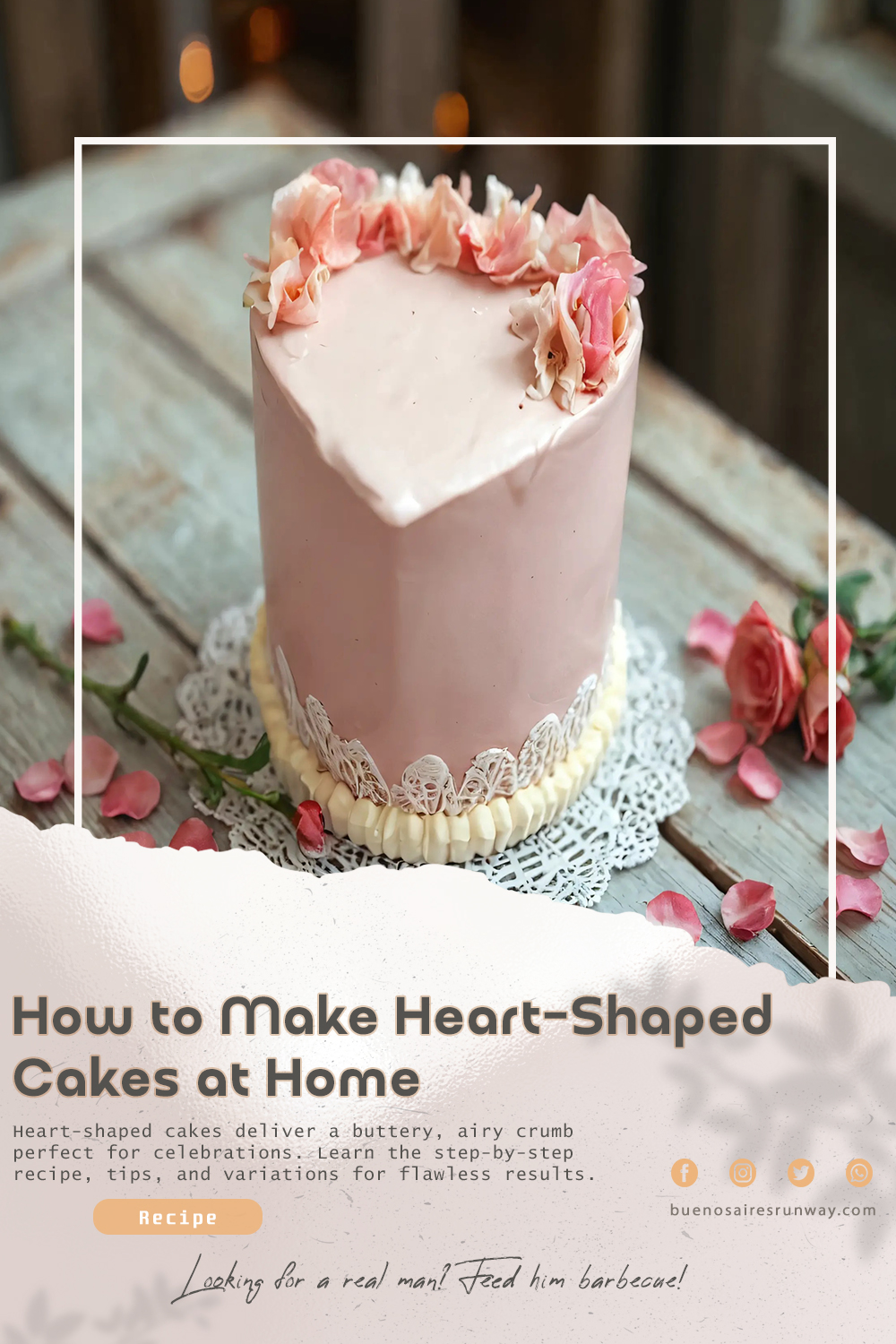
Heart‑Shaped Cakes: A Sweet Surprise for Any Celebration
The kitchen fills with the warm perfume of melted butter and vanilla as it bubbles gently in the pan, a scent that promises tenderness before the first bite.
Print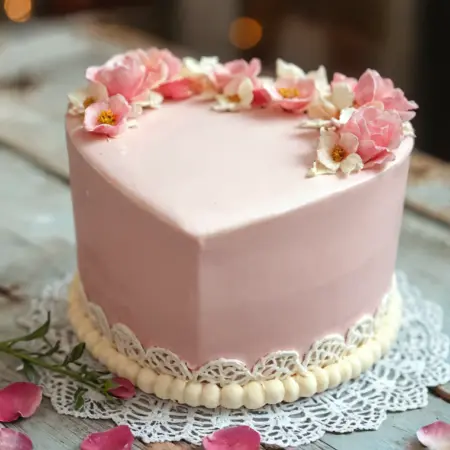
How to Make Heart-Shaped Cakes at Home
Mini heart-shaped cakes with a buttery, airy crumb, perfect for celebrations or a sweet everyday treat.
- Total Time: 34
- Yield: 12
Ingredients
✓ 6 tablespoons butter
✓ 2 large egg whites
✓ 1 teaspoon vanilla extract
✓ 2 cups cake flour
✓ 1 cup all-purpose flour
✓ 1 teaspoon baking powder
✓ 1/4 teaspoon salt
✓ 1/3 cup cocoa powder
✓ Heart-shaped silicone mold
Instructions
✓ Preheat oven to 350°F / 175°C and place the heart-shaped silicone mold on a baking sheet
✓ Melt butter over low heat until light golden and nutty, then transfer to a mixing bowl
✓ Whisk sugar into melted butter until glossy and slightly pale
✓ Add egg whites one at a time, whisking until fully incorporated and batter becomes frothy
✓ Stir in vanilla extract
✓ Sift cake flour, all-purpose flour, baking powder, and salt together
✓ Gently fold dry ingredients into wet mixture until no streaks remain
✓ If making chocolate version, sift cocoa powder with flours and fold in
✓ Divide batter evenly among heart molds, filling each three-quarters full
✓ Tap baking sheet gently to release air pockets and level tops
✓ Bake for 12-14 minutes until edges turn deep golden brown and toothpick comes out clean
✓ Rotate sheet halfway through baking for even browning
✓ Remove from oven and let cakes sit in mold for 2 minutes
✓ Turn cakes out onto wire rack and let cool completely
✓ Optionally dust with powdered sugar or drizzle with melted chocolate before serving
Notes
Cool completely before stacking; store in airtight container for up to 4 days.
Nutrition
- Calories: 350
- Sugar: 25
- Sodium: 200
- Fat: 15
- Carbohydrates: 45
- Fiber: 2
- Protein: 5
These petite cakes are perfect for Valentine’s Day, birthday surprises, or simply a weekend treat that looks as good as it tastes.
Imagine a bite‑size cake with a crisp, golden edge that gives way to a soft, airy crumb infused with sweet vanilla, while the heart shape adds a playful, romantic flair.
The recipe is forgiving enough for beginners yet rewarding for seasoned bakers who love a good visual payoff.
Scroll down to see the exact ingredients and start shaping love on a plate.
Ingredients
- 6 tablespoons butter – adds richness and moisture; substitute with equal amount of margarine for dairy‑free.
- 1 cup granulated sugar – provides sweetness and helps tenderize; substitute with 1 cup coconut sugar for a caramel note.
- 2 large egg whites – create lift and a light texture; substitute with 2 large eggs, beaten, for richer crumb.
- 1 teaspoon vanilla extract – imparts aromatic flavor; substitute with 1 teaspoon almond extract for a nutty twist.
- 2 cups cake flour – yields a delicate, tender crumb; substitute with all‑purpose flour plus 2 tablespoons cornstarch.
- 1 cup all‑purpose flour – adds structure and volume; substitute with gluten‑free blend, same amount.
- 1 teaspoon baking powder – leavens the batter for height; substitute with ¼ teaspoon baking soda plus ½ teaspoon cream of tartar.
- ¼ teaspoon salt – balances sweetness and strengthens gluten; substitute with a pinch of sea salt.
- ⅓ cup cocoa powder – deepens flavor for chocolate variation; substitute with equal amount of melted dark chocolate.
- Heart‑shaped silicone mold – defines the iconic shape; substitute with a regular round muffin tin, then cut after cooling.
This precise blend of fats, sugars, leaveners, and flours creates a cake that is both airy and sturdy enough to hold its shape.
Step‑by‑Step Instructions
Preparation
- Preheat oven to 350°F / 175°C and place the heart‑shaped silicone mold on a baking sheet.
- In a small saucepan, melt butter over low heat until it turns a light golden hue and releases a nutty aroma (Do not brown).
- Transfer melted butter to a large mixing bowl; whisk in sugar until the mixture looks glossy and slightly pale.
- Add egg whites one at a time, whisking until fully incorporated and the batter becomes a bit frothy.
- Stir in vanilla extract; the batter should emit a fragrant scent.
- Sift cake flour, all‑purpose flour, baking powder, and salt together; this prevents lumps and ensures even leavening.
- Gently fold the dry ingredients into the wet mixture using a rubber spatula, stopping when no streaks remain (Do not overmix – overdeveloped gluten makes texture tough).
- If making the chocolate version, sift cocoa powder with the flours and fold in as directed.
Cooking
- Divide batter evenly among the heart molds, filling each about three‑quarters full; the batter should spread slightly but retain the heart silhouette.
- Tap the baking sheet gently on the counter to release any air pockets and level the tops.
- Bake for 12–14 minutes, or until the edges turn a deep golden brown and a toothpick inserted near the edge comes out clean.
- Rotate the sheet halfway through baking for uniform browning.
- Remove from oven and let the cakes sit in the mold for 2 minutes; this helps them release cleanly.
Assembly
- Turn the cakes out onto a wire rack; they should spring up slightly, showing a soft, airy interior.
- If desired, dust with a light coating of powdered sugar or drizzle with melted chocolate for added elegance.
- Allow cakes to cool completely before stacking or serving; they will firm up slightly, making them easier to handle.
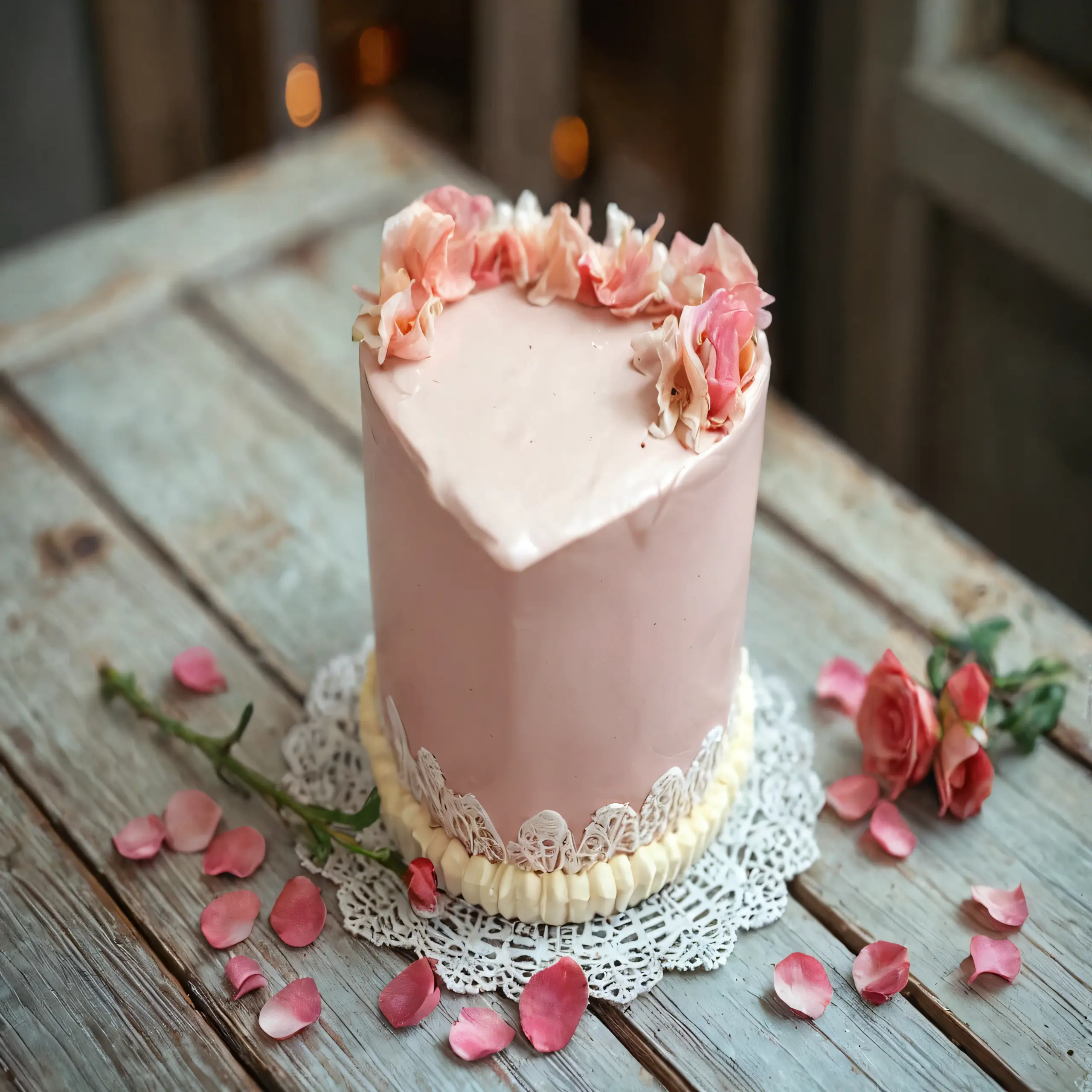
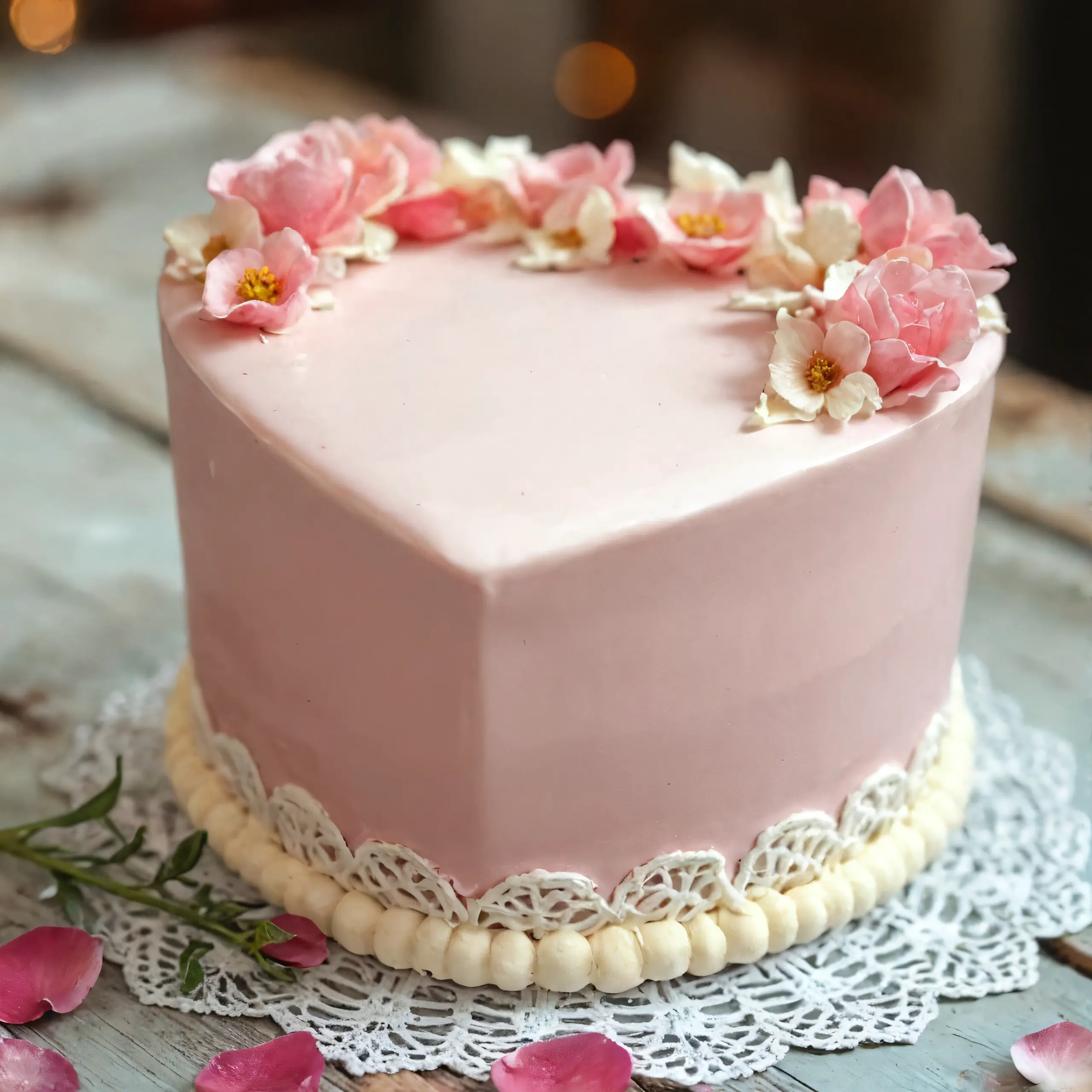
The heart‑shaped cakes are ready when the tops are lightly browned, the centers spring back gently to the touch, and the edges have a crisp, caramelized finish.
Why This Recipe Works
Melting the butter before mixing ensures that the fat is evenly distributed, creating a uniform crumb while preventing pockets of raw butter that could cause uneven rising.
The combination of cake flour and all‑purpose flour balances tenderness with enough gluten development to hold the heart shape without collapsing.
Egg whites, rather than whole eggs, introduce more air into the batter, producing a lighter texture that still has enough structure from the flour blend.
Adding the leavening agents after the sugars have dissolved allows carbon dioxide to be trapped more efficiently, giving the cakes a consistent rise.
Finally, chilling the batter briefly (optional) would further solidify the butter, preventing excessive spread and preserving the crisp edges that define the heart silhouette.
Tips for Reliable Results
- If the batter spreads too much in the mold, refrigerate it for 10 minutes before baking; cold butter slows diffusion.
- Overmixing the flour can develop too much gluten, resulting in a dense cake – stop stirring as soon as the last dry streak disappears.
- Using a silicone mold eliminates the need for greasing, but a light dusting of flour prevents sticking for especially delicate cakes.
- For an even crumb, sift the flour and cocoa powder together; this prevents clumps that could create uneven pockets.
- When the oven door is opened too early, the cakes may sink; rely on the timer and visual cue of golden edges.
- Make‑ahead tip: bake the cakes up to 24 hours ahead, store them in an airtight container at room temperature; they stay moist thanks to the butter content.
- Storage: keep cooled cakes in a single layer between parchment sheets; they retain freshness for up to 4 days.
- For a glossy finish, brush the tops with a simple glaze of powdered sugar dissolved in a teaspoon of milk just before serving.
Variations
- Chocolate Heart Cakes – incorporate cocoa powder into the dry mix; the cocoa adds depth and a richer color, while the texture remains airy.
- Lemon‑Zest Hearts – add 1 tablespoon freshly grated lemon zest to the wet mixture; the citrus brightens the flavor and complements the buttery base.
- Gluten‑Free Hearts – replace both flours with a 1‑to‑1 gluten‑free blend that contains xanthan gum; the result is a tender cake that still holds its shape.
- Vegan Hearts – substitute butter with coconut oil, egg whites with a flax‑egg (1 tablespoon ground flax + 3 tablespoons water per egg), and use plant‑based milk in the glaze; the texture stays light and the flavor stays buttery.
Time and Yield
Prep time: 20 minutes
Cook time: 14 minutes
Cooling time: 10 minutes
Total time: 44 minutes
Yield: 12 heart‑shaped mini cakes (depends on mold size)
Frequently Asked Questions
- Can I use whole eggs instead of egg whites? Yes; whole eggs will make the crumb slightly richer but may reduce the lightness. Use two large eggs, beaten, and expect a denser texture.
- Why did my heart cakes turn out flat? Overmixing or using melted butter that was too hot can cause excess spread. Chill the batter briefly and mix only until just combined.
- How long can I store the baked heart cakes? Keep them in an airtight container at room temperature for up to four days. For longer storage, freeze them sealed for up to two months and thaw before serving.
- Is it possible to make these cakes gluten‑free? Replace both cake flour and all‑purpose flour with a gluten‑free blend that contains xanthan gum, using the same quantities. The texture remains tender and the shape holds.
- Can I add a filling inside the hearts? Absolutely; once the cakes are completely cooled, slice a small wedge from the base and pipe a dollop of jam, buttercream, or whipped ganache. The batter’s stability supports light fillings.
Conclusion
The combination of a buttery base, airy egg‑white leavening, and a balanced flour mix delivers heart‑shaped cakes that are both visually striking and delightfully tender.
While the core recipe is reliable, the suggested variations invite endless creativity for seasonal flavors or dietary needs.
With these steps in hand, the next time a special occasion calls for a sweet symbol of love, the kitchen will be ready to produce perfect heart‑shaped cakes that impress both eyes and palate.