Introduction
When the oven clicks on and the kitchen fills with the sweet perfume of vanilla and butter, the anticipation of a celebration builds in the air.
Print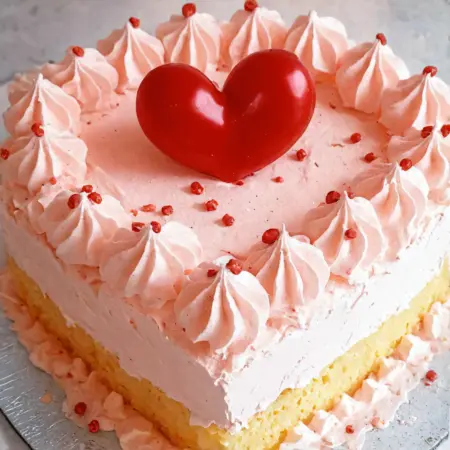
How to Create a Heart-Shaped Birthday Cake at Home
A tender, pink‑tinged heart‑shaped cake perfect for birthdays. The recipe combines butter, sour cream, and a hint of vanilla for a moist crumb that stays fresh for days.
- Total Time: 60
- Yield: 12 slices
Ingredients
✓ 2 ½ cups all-purpose flour
✓ ½ tsp salt
✓ 1 cup unsalted butter, softened
✓ 2 cups granulated sugar
✓ 4 large eggs
✓ 1 tbsp vanilla extract
✓ 1 cup whole milk
✓ ¼ cup sour cream
✓ Red or pink food coloring (optional)
Instructions
✓ Preheat oven to 350°F / 175°C and place a rack in the center
✓ Grease two 9‑inch round cake pans and line the bottoms with parchment, lightly flour the parchment
✓ Whisk together flour, baking powder, and salt in a medium bowl; set aside
✓ Cream butter and sugar until pale and fluffy, about 3–4 minutes
✓ Add eggs one at a time, mixing well after each addition
✓ Stir in vanilla extract and food coloring until evenly distributed
✓ Alternate adding the dry ingredients and milk, beginning and ending with the dry mix; mix on low until just combined
✓ Fold in sour cream gently with a spatula until no streaks remain
✓ Divide the batter evenly between the prepared pans; smooth the tops
✓ Bake for 25–30 minutes, or until a toothpick inserted in the center comes out clean and the edges are lightly golden
✓ Rotate the pans halfway through baking for even color
✓ Remove cakes from the oven and let them cool in the pans for 10 minutes
✓ Turn the cakes onto a wire rack to cool completely
✓ Place one cooled layer on a cutting board and cut the layer into a perfect heart shape using a template
✓ Repeat with the second layer, trimming tops if needed for uniform thickness
✓ If desired, spread a thin coat of buttercream between the two hearts to act as a crumb‑coat
✓ Stack the second heart on top of the first, aligning the edges carefully
✓ Refrigerate the assembled cake for 20 minutes to set the layers
✓ Remove the cake from the fridge and frost the exterior with your favorite frosting, smoothing it with an offset spatula
✓ Garnish with fresh berries, edible glitter, or a dusting of powdered sugar
✓ Slice with a warm, thin‑sliced knife for clean cuts and serve
Notes
Cool cakes completely before cutting; chill assembled cake before frosting for clean edges.
Nutrition
- Calories: 350
- Sugar: 30
- Sodium: 250
- Fat: 12
- Carbohydrates: 55
- Fiber: 1
- Protein: 5
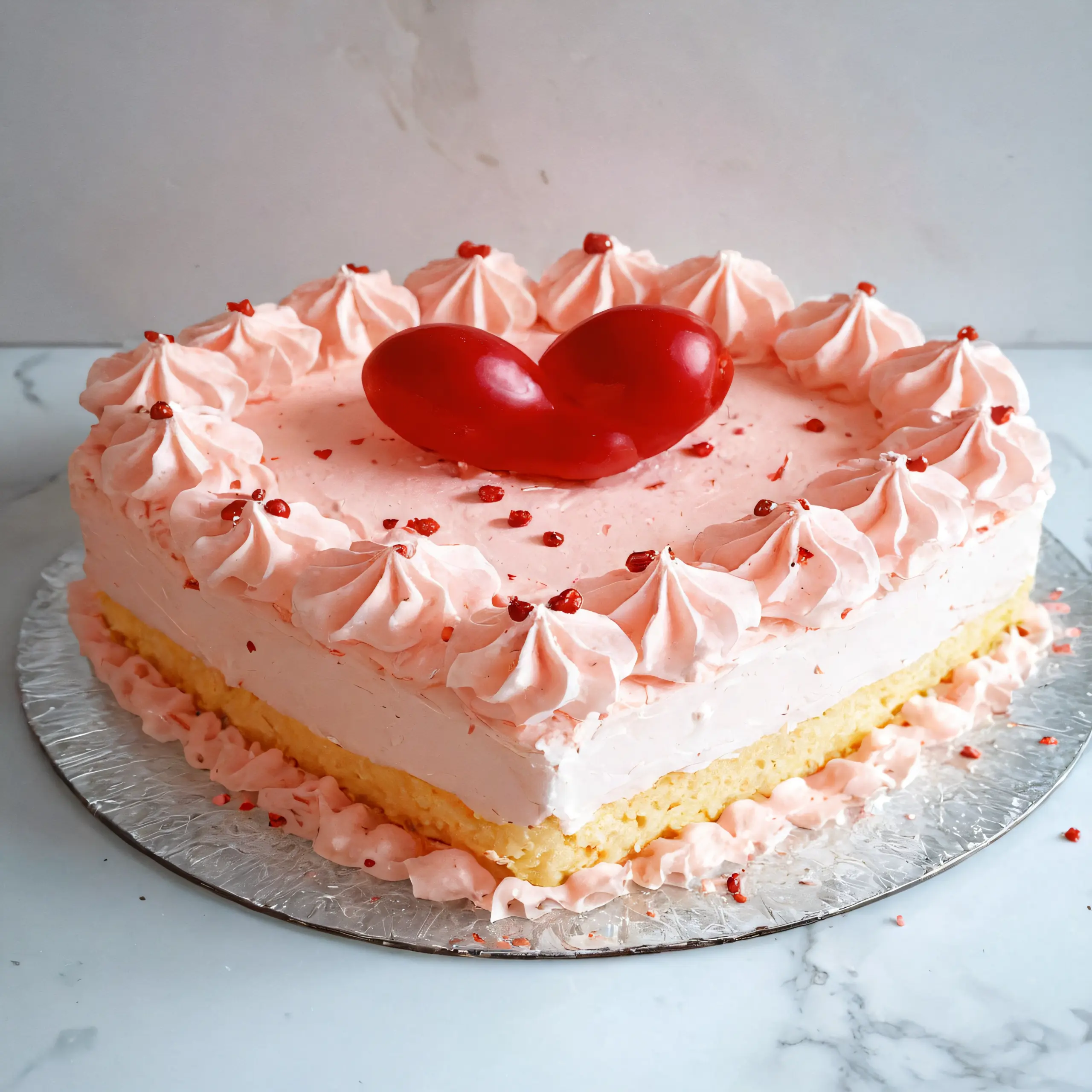
This heart shaped birthday cake is more than a dessert; it’s a centerpiece that says “you are loved” without a single word. Perfect for a child’s party, a romantic milestone, or a surprise for anyone who cherishes a little extra sweetness, the cake’s soft crumb and subtle tang from sour cream keep it moist for days.
Imagine a tender, pink‑tinged layer that releases a buttery sigh as the knife slides through, revealing a delicate crumb that yields to a light, fluffy bite. The frosting, if you choose to add it later, will melt into the warm edges, creating a contrast of silky smoothness and airy cake.
Beginners can master this with confidence, families can bake it together for a fun weekend project, and meal‑preppers can freeze the layers for later decoration. Scroll down to gather the ingredients and start creating a memory‑making cake that will be the talk of the party.
Ingredients
- 2 ½ cups all-purpose flour – provides structure; substitute with pastry flour for a finer crumb
- 2 ½ tsp baking powder – leavens the batter; substitute with 1 tsp baking soda + 1 tsp cream of tartar
- ½ tsp salt – balances sweetness; substitute with a pinch of sea salt
- 1 cup unsalted butter, softened – creates richness and tenderness; substitute with equal amount of margarine
- 2 cups granulated sugar – sweetens and helps aerate; substitute with coconut sugar for a caramel note
- 4 large eggs – bind and add moisture; substitute with 4 × ¼ cup unsweetened applesauce for a vegan version
- 1 tbsp vanilla extract – adds aromatic depth; substitute with almond extract (half amount)
- 1 cup whole milk – hydrates dry ingredients; substitute with oat milk for dairy‑free
- ¼ cup sour cream – contributes tang and extra moisture; substitute with Greek yogurt
- Red or pink food coloring (optional) – gives festive hue; substitute with beet juice for natural color
This precise blend of leaveners, fats, and dairy creates a cake that rises evenly, stays moist, and holds its shape when cut into a heart.
Step-by-Step Instructions
Preparation
- Heat oven to 350°F / 175°C and place a rack in the center; a preheated oven ensures immediate lift.
- Grease two 9‑inch round cake pans and line the bottoms with parchment; lightly flour the parchment to prevent sticking.
- In a medium bowl, whisk together flour, baking powder, and salt; set aside (Do not over‑mix – clumps affect crumb).
- Using a handheld mixer on medium speed, cream butter and sugar until pale and fluffy, about 3–4 minutes; the mixture should hold a ribbon when the beaters are lifted.
- Add eggs one at a time, mixing well after each addition; the batter will become glossy and smooth.
- Stir in vanilla extract and, if using, the food coloring until evenly distributed; the batter should turn a uniform pink shade.
- Alternate adding the dry ingredients and milk, beginning and ending with the dry mix; mix on low until just combined (Do not overmix – over‑development of gluten makes texture tough).
- Fold in sour cream gently with a spatula until no streaks remain; the batter will be slightly thick but spreadable.
Cooking
- Divide the batter evenly between the prepared pans; smooth the tops with an offset spatula.
- Bake for 25–30 minutes, or until a toothpick inserted in the center comes out clean and the edges are lightly golden.
- Rotate the pans halfway through baking for even color; the top should spring back when lightly pressed.
- Remove cakes from the oven and let them cool in the pans for 10 minutes; this helps the structure set.
- Turn the cakes onto a wire rack to cool completely; the cakes should feel firm to the touch before handling.
Assembly
- Place one cooled layer on a cutting board and, using a heart‑shaped template or a sturdy heart‑shaped cookie cutter, cut the layer into a perfect heart shape.
- Repeat with the second layer; if the cakes are slightly uneven, trim the tops with a serrated knife for uniform thickness.
- If desired, spread a thin coat of buttercream or whipped cream between the two hearts to act as a crumb‑coat; this also adds moisture.
- Stack the second heart on top of the first, aligning the edges carefully; the finished cake should stand upright without wobbling.
- Refrigerate the assembled cake for 20 minutes to set the layers before final frosting or decoration.
Serving
- Remove the cake from the fridge and, if using, frost the exterior with your favorite frosting, smoothing it with an offset spatula.
- Garnish with fresh berries, edible glitter, or a dusting of powdered sugar for a festive finish.
- Slice with a warm, thin‑sliced knife for clean cuts; serve immediately or store as described below.
The heart shaped birthday cake is ready when the layers are tender, the crumb is uniformly pink, and the frosting holds a smooth, glossy finish.
Why This Recipe Works
The combination of butter and sugar at the beginning creates a creamed base that traps air bubbles, which expand during baking to give the cake its lift. Adding eggs one by one allows each to emulsify fully, contributing to a fine crumb and preventing curdling. The alternation of dry ingredients with milk keeps the batter from becoming over‑mixed; each addition of flour hydrates the gluten just enough to provide structure without creating chewiness.
Sour cream is a key player: its acidity weakens gluten strands slightly, while its fat content adds moisture, resulting in a cake that stays soft for days. The optional food coloring integrates with the batter without affecting the chemistry, so the cake rises just as well as a plain vanilla version.
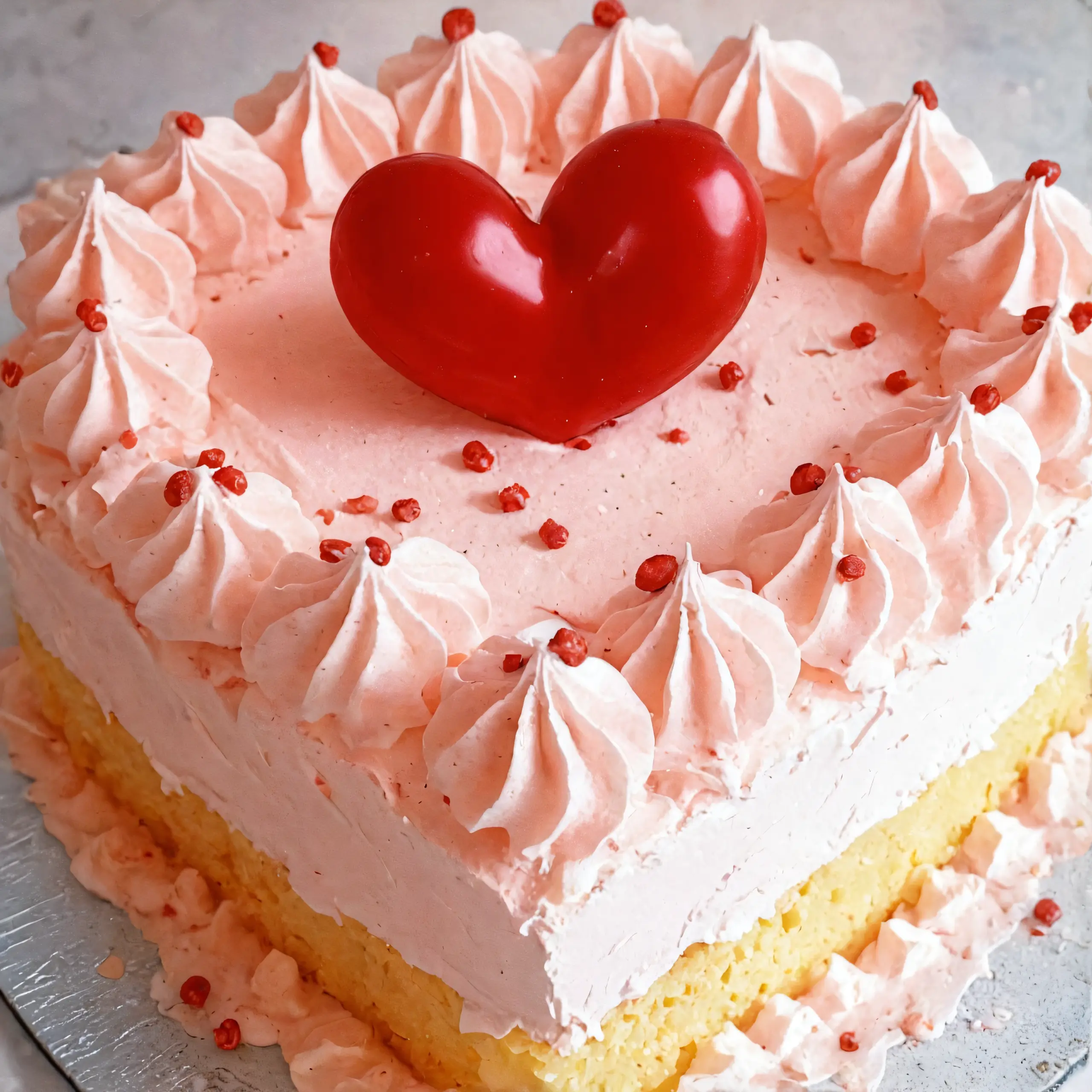
Chilling the assembled hearts before frosting stabilizes the crumb, making it easier to spread a smooth layer without cracking. This method outperforms a single‑layer approach because the heart shape holds its form better when the layers are bonded and the interior stays tender.
Tips for Reliable Results
- If the batter looks too thick after adding the sour cream, let it sit for 5 minutes; the flour will hydrate and the batter will become easier to spread.
- When cutting the heart shape, use a clean, sharp cutter and press straight down; a dull cutter will tear the cake and create jagged edges.
- Common mistake: over‑mixing after adding flour. Stop mixing as soon as the dry ingredients disappear to avoid a dense texture.
- For an even rise, rotate the pans halfway through baking; ovens often have hot spots that can cause uneven browning.
- Equipment note: a silicone heart‑shaped pan eliminates the need for cutting, but it can cause the cake to stick if not properly greased and floured.
- Ingredient quality matters: use real butter, not margarine, for the best flavor and mouthfeel. Unsalted butter lets you control the salt level precisely.
- Make‑ahead: bake the layers up to the cooling stage, then wrap each tightly in plastic wrap and freeze for up to 2 months. Thaw overnight in the fridge before assembling.
- Storage: once frosted, keep the cake refrigerated in an airtight container for up to 4 days. Let it sit at room temperature for 30 minutes before serving for optimal texture.
Variations
- Chocolate Heart Cake – replace ¼ cup of the flour with cocoa powder and add 2 tbsp melted dark chocolate to the batter; the cocoa intensifies flavor and yields a richer crumb.
- Vanilla Bean & Strawberry – split the batter, add the seeds of one vanilla bean to half, and fold in diced fresh strawberries to the other half; the contrasting flavors create a visually striking marble effect.
- Gluten‑Free Version – substitute the all‑purpose flour with a 1‑to‑1 gluten‑free blend that contains xanthan gum; use a ½ tsp extra baking powder to ensure proper rise.
- Vegan Adaptation – replace butter with coconut oil, use oat milk, and swap eggs for a flax‑egg mixture (1 tbsp ground flaxseed + 3 tbsp water per egg); the cake remains moist and fluffy while being entirely plant‑based.
Time and Yield
- Prep time: 30 minutes
- Cook time: 30 minutes
- Cooling/resting time: 40 minutes
- Total time: 1 hour 40 minutes
- Yield: 12 generous slices (or 2 heart‑shaped layers)
Frequently Asked Questions
- Can I use a different size pan? Yes, a 8‑inch pan works but you’ll need to increase the bake time by 5–7 minutes; the heart shape will be slightly smaller.
- What if the cake is too dense? Over‑mixing or using too much flour can cause density; ensure you stop mixing as soon as the batter is smooth and measure flour correctly using the spoon‑and‑level method.
- How long can I keep the unfrosted cake? Wrapped tightly, the unfrosted layers stay fresh in the freezer for up to 2 months and in the fridge for 5 days.
- Is there a dairy‑free frosting that pairs well? A whipped coconut cream sweetened with powdered sugar and flavored with vanilla works beautifully and keeps the cake moist.
- Can I add a filling? Yes, a thin layer of raspberry jam or chocolate ganache between the hearts adds flavor without compromising structure.
Conclusion
This heart shaped birthday cake delivers a reliable, moist crumb and a festive hue that makes any celebration feel special. The methodical steps—creaming butter, alternating wet and dry ingredients, and chilling before frosting—ensure consistent results even for novice bakers.
Feel free to explore the suggested variations, whether adding chocolate, fruit, or adapting for dietary needs. With a little practice, the cake becomes a versatile canvas for personal touches.
Gather the ingredients, follow the guide, and watch the heart take shape in the oven; the reward is a beautiful, delicious centerpiece ready to be shared and remembered.
