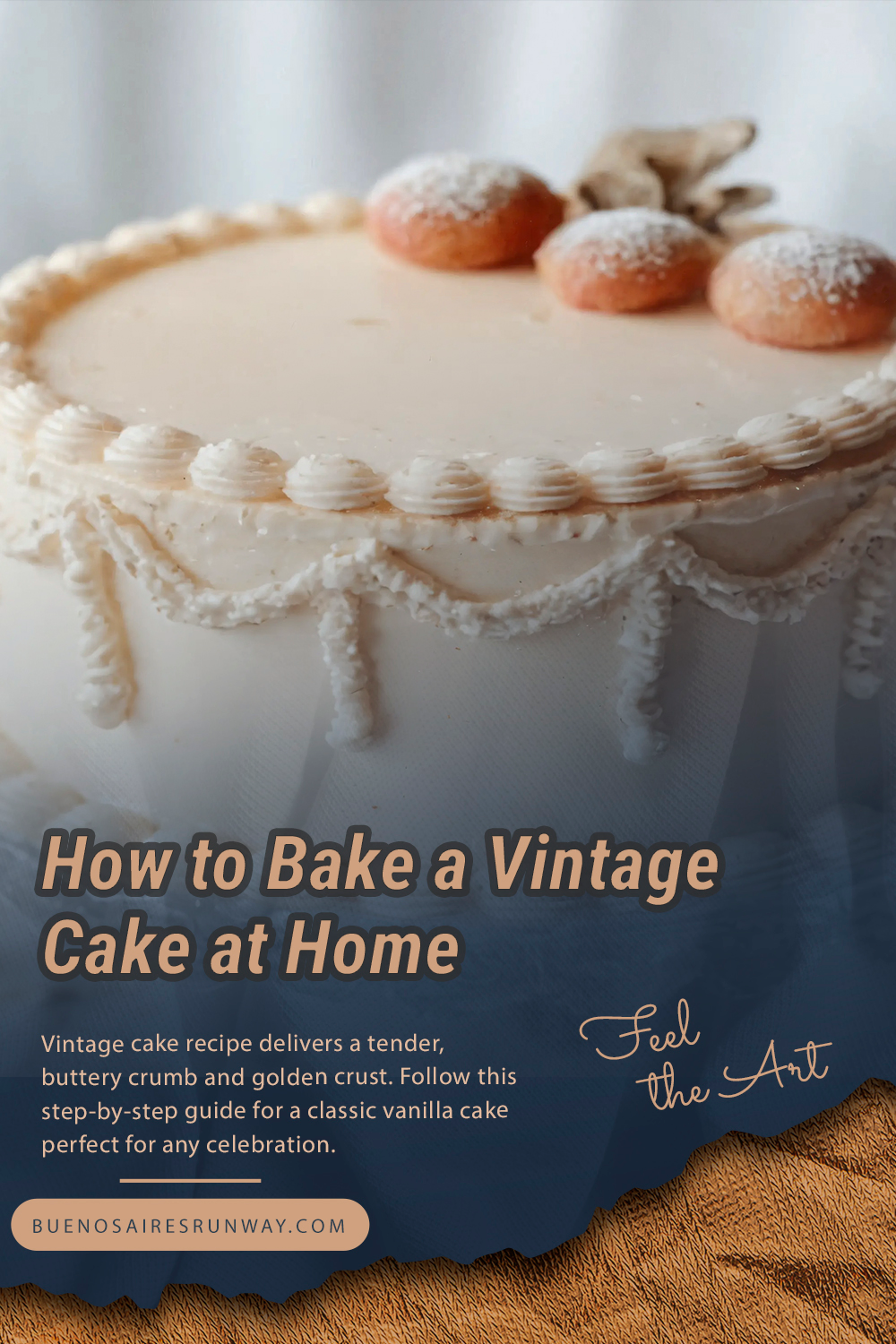
Vintage Cake Recipe: A Classic Treat for Any Occasion
When the kitchen fills with the buttery scent of melted sugar and the faint crackle of a whisk, a sense of nostalgia settles in. This vintage cake recipe captures the elegance of a 1950s birthday celebration while staying practical for modern weeknight schedules. The cake boasts a tender crumb that yields a delicate snap when sliced, a lightly caramelized crust that whispers of toasted butter, and a buttery vanilla aroma that lingers long after the last bite.
Print
How to Bake a Vintage Cake at Home
A classic vanilla cake with a tender crumb and golden crust, perfect for celebrations or everyday indulgence.
- Total Time: 55
- Yield: 12 slices
Ingredients
✓ 2 ½ cups all-purpose flour
✓ ½ tsp salt
✓ 1 cup unsalted butter, softened
✓ 2 cups granulated sugar
✓ 4 large eggs
✓ 1 cup whole milk
✓ 1 tbsp vanilla extract
✓ Optional: Frosting of choice (buttercream or cream cheese frosting)
Instructions
✓ Preheat oven to 350°F / 175°C and position the rack in the center
✓ Mix flour, baking powder, and salt in a medium bowl; set aside
✓ Beat softened butter and granulated sugar on medium speed until pale and fluffy, about 3 minutes
✓ Fold in eggs one at a time, scraping the bowl after each addition
✓ Stir vanilla extract into the butter-sugar-egg mixture
✓ Gradually add the dry flour mixture, alternating with whole milk, beginning and ending with flour; stop mixing when batter just comes together
✓ Cover the bowl with plastic wrap and chill the batter for 20 minutes
✓ Grease a 9‑inch round cake pan with butter and dust lightly with flour; tap out excess flour
✓ Pour the chilled batter into the prepared pan, smoothing the top with a spatula
✓ Bake for 30‑35 minutes, or until a toothpick inserted in the center emerges clean and the edges turn a deep golden brown
✓ Rotate the pan halfway through baking for even browning
✓ Remove the cake from the oven and place the pan on a wire rack for 10 minutes
✓ Run a thin knife around the perimeter, then invert the cake onto the rack to cool completely
✓ If using frosting, level the top with a serrated knife to create a flat surface
✓ Spread a thin crumb coat of buttercream or cream cheese frosting over the entire cake
✓ Refrigerate the crumb‑coated cake for 15 minutes to firm the base layer
✓ Apply a final generous layer of frosting, smoothing with an offset spatula
✓ Garnish with a dusting of powdered sugar or a few fresh berries if desired
✓ Slice with a warm knife for clean cuts; serve at room temperature
Notes
Chill batter before baking for a higher rise; store frosted cake at room temperature for up to 3 days.
Nutrition
- Calories: 350
- Sugar: 30
- Sodium: 210
- Fat: 18
- Carbohydrates: 45
- Fiber: 1
- Protein: 5
Perfect for family gatherings, casual brunches, or a simple after‑dinner indulgence, this cake requires only pantry staples and a few minutes of active time. Beginners will appreciate the straightforward mixing method, while seasoned bakers will enjoy the subtle technique of chilling the batter for a fluffier rise. Whether served plain, dusted with powdered sugar, or crowned with a swirl of frosting, the result feels both timeless and satisfying.
Scroll down to see the full ingredient lineup and start creating a slice of vintage charm in your own oven.
Ingredients
- 2 ½ cups all-purpose flour – builds structure; substitute whole‑wheat flour for a nuttier flavor
- 2 ½ tsp baking powder – leavens batter; substitute 2 tsp baking soda + ½ tsp cream of tartar
- ½ tsp salt – enhances sweetness; omit if using salted butter
- 1 cup unsalted butter, softened – provides richness and moisture; substitute equal amount margarine for dairy‑free
- 2 cups granulated sugar – sweetens and aids browning; substitute 1 ¾ cups coconut sugar
- 4 large eggs – binds ingredients and adds lift; substitute 4 × ¼ cup applesauce for vegan
- 1 cup whole milk – hydrates dry components; substitute almond milk for lower lactose
- 1 tbsp vanilla extract – deepens flavor profile; substitute 1 tsp almond extract
- Optional: Frosting of choice (buttercream or cream cheese frosting) – adds creamy finish; use whipped ganache for chocolate twist
This precise combination of leavening, fat, and sugar creates a balanced crumb that stays moist while developing a subtle golden crust.
Step‑by‑Step Instructions
Preparation
- Heat oven to 350°F / 175°C and position the rack in the center.
- Mix flour, baking powder, and salt in a medium bowl; set aside until needed.
- Beat softened butter and granulated sugar on medium speed until the mixture turns pale and fluffy, about 3 minutes (visual cue: ribbon‑like trails when the whisk is lifted).
- Fold in eggs one at a time, scraping the bowl after each addition; watch for a smooth, glossy batter.
- Stir vanilla extract into the butter‑sugar‑egg mixture, ensuring the aroma spreads evenly.
- Gradually add the dry flour mixture, alternating with whole milk, beginning and ending with flour; stop mixing when the batter just comes together (Do not overmix – overdeveloped gluten makes texture tough).
- Cover the bowl with plastic wrap and chill the batter for 20 minutes; the chill firms the butter, yielding a higher rise.
Cooking
- Grease a 9‑inch round cake pan with butter and dust lightly with flour; tap out excess flour.
- Pour the chilled batter into the prepared pan, smoothing the top with a spatula; the surface should be level and slightly domed.
- Bake for 30‑35 minutes, or until a toothpick inserted in the center emerges clean and the edges turn a deep golden brown (visual cue: edges pull away from the pan).
- Rotate the pan halfway through baking for even browning; avoid opening the oven door early, which can cause the cake to sink.
- Remove the cake from the oven and place the pan on a wire rack for 10 minutes; this rest allows the crumb to set.
- Run a thin knife around the perimeter, then invert the cake onto the rack to cool completely; the cake should release easily.
Assembly
- If using frosting, level the top with a serrated knife to create a flat surface.
- Spread a thin crumb coat of buttercream or cream cheese frosting over the entire cake; this locks in crumbs.
- Refrigerate the crumb‑coated cake for 15 minutes to firm the base layer.
- Apply a final generous layer of frosting, smoothing with an offset spatula for a classic finish.
- Garnish with a dusting of powdered sugar or a few fresh berries if desired.
Serving
- Slice with a warm knife for clean cuts; serve at room temperature for optimal flavor.
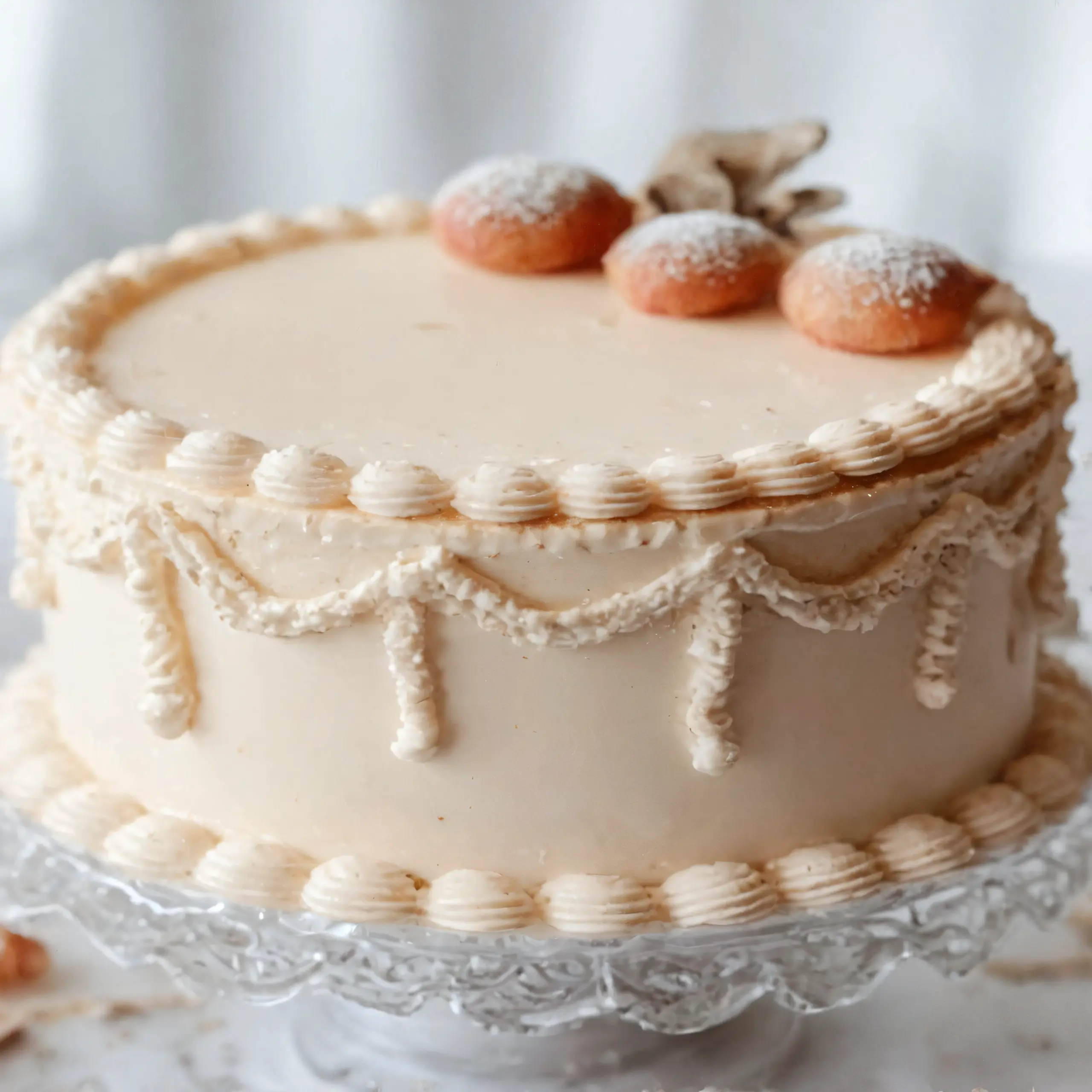
The vintage cake is ready when the crust is a deep golden brown and the interior springs back lightly to the touch.
Why This Recipe Works
Chilling the batter before baking solidifies the butter into tiny pockets that melt gradually in the oven, creating steam that lifts the crumb and produces a tender, airy texture. The combination of baking powder and the slight acidity from the butter encourages a uniform rise, while the balanced ratio of sugar to fat ensures a moist crumb without becoming overly dense.
Using whole milk adds both liquid and fat, which helps to coat the flour proteins and limit gluten formation, resulting in a softer bite. The final step of a thin crumb coat followed by chilling stabilizes the surface, preventing crumbs from falling off when the frosting is applied. Together, these techniques yield a cake that feels both nostalgic and technically sound.
Tips for Reliable Results
- Measure flour with the spoon‑and‑level method; packing flour leads to a heavy cake that may not rise properly.
- If the batter appears too thick after adding the flour, add milk one tablespoon at a time; excess liquid can cause a flat cake.
- Do not overbeat once the eggs are incorporated; overmixing can incorporate too much air, which collapses during baking.
- Use a light‑colored metal pan rather than dark glass; dark pans conduct heat faster and can over‑brown the edges before the center sets.
- For an even crumb, tap the pan gently on the counter after pouring batter to release large air bubbles.
- When frosting, keep the buttercream chilled; warm frosting can melt into the cake, making the surface soggy.
- Common mistake: opening the oven door too early. The sudden temperature drop can cause the cake to sink in the middle. Wait until the timer signals the halfway point before checking.
- Make‑ahead tip: bake the cake layers up to step 6, then wrap tightly in plastic wrap and freeze for up to 2 months. Thaw overnight in the refrigerator before frosting.
- Storage: keep the fully frosted cake in an airtight container at room temperature for up to 3 days, or refrigerate for up to 5 days. Bring to room temperature before serving for the best texture.
Variations
- Lemon‑Zest Vintage Cake – add 2 tbsp freshly grated lemon zest to the batter and replace vanilla with lemon extract. The citrus brightens the flavor and creates a fragrant crumb without altering the basic technique.
- Chocolate‑Swirl Vintage Cake – melt ¼ cup dark chocolate and swirl it into the batter after step 6 using a knife. The chocolate pockets add richness and a visual marbled effect, while the base structure remains unchanged.
- Gluten‑Free Vintage Cake – substitute the all‑purpose flour with a 1‑to‑1 gluten‑free blend that contains xanthan gum. The batter may be slightly thicker; add an extra tablespoon of milk to reach the proper consistency.
- Vegan Vintage Cake – replace butter with equal‑volume coconut oil, use almond milk instead of whole milk, and swap eggs for a “flax egg” (1 tbsp ground flaxseed mixed with 3 tbsp water per egg). The crumb stays moist, though the flavor shifts toward a subtle nutty note.
Time and Yield
Prep time: 20 minutes

Cook time: 35 minutes
Cooling time: 20 minutes
Total time: 75 minutes
Yield: 12 generous slices
Frequently Asked Questions
- Can the cake be baked in a different pan size? Yes, a 10‑inch round pan works, but increase the baking time by 5‑7 minutes and check for doneness with a toothpick.
- What if the batter is too runny after adding milk? Add an additional tablespoon of flour; this will absorb excess moisture without making the cake dense.
- Is it possible to use oil instead of butter? Oil can replace butter 1:1, but the cake will lose the characteristic buttery crust and may be slightly more crumbly.
- How long can the unfrosted cake be stored? Wrapped tightly, the plain cake stays fresh at room temperature for up to 4 days or in the freezer for 2 months.
- Can the frosting be made ahead? Buttercream can be prepared up to 2 days in advance; store in an airtight container in the refrigerator and re‑whip before use.
Conclusion
This vintage cake recipe delivers a reliable, tender crumb and a classic vanilla flavor that suits any celebration. The method balances traditional technique with modern convenience, allowing bakers of all skill levels to achieve consistent results. Experiment with the suggested variations or add a personal touch of citrus or chocolate, and enjoy a timeless slice that brings a sense of nostalgia to every table.