Introduction
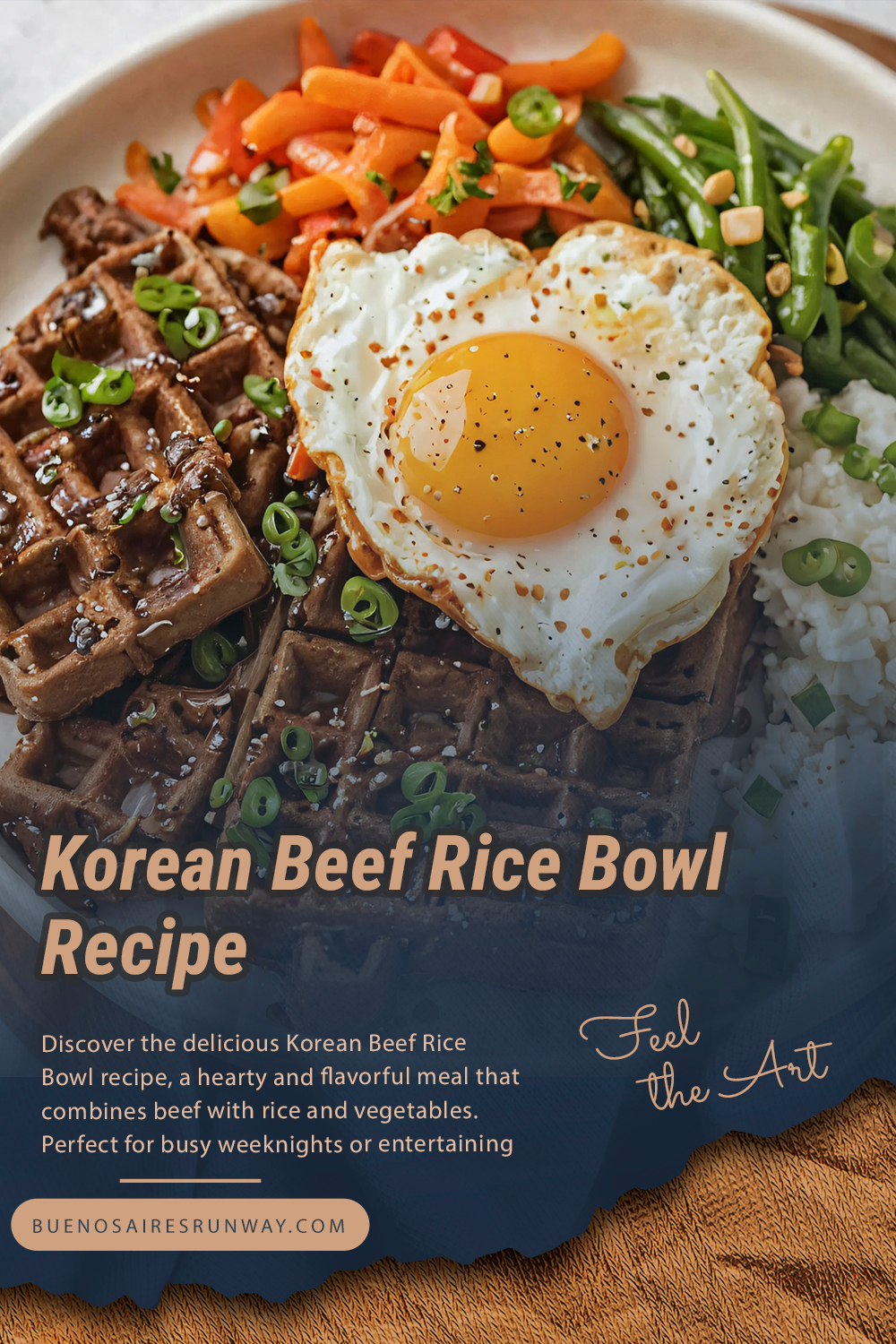
When the weather turns crisp and your body craves something hearty yet comforting, it’s time to whip up a Korean Beef Rice Bowl. This dish is not just a meal; it’s a sensory experience that combines the savory richness of beef with the fluffy comfort of rice. The bright pop of fresh vegetables and the tangy-sweet sauce create an explosion of flavors in your mouth. Imagine the deep umami flavor of soy sauce mingling with the heat of gochujang, all balanced by the crisp crunch of bell peppers and carrots. It’s perfect for those nights when you want something substantial but don’t have much time to prepare.
Print
Korean Beef Rice Bowl Recipe
A hearty and flavorful Korean Beef Rice Bowl that combines the savory richness of beef with fluffy rice, bright vegetables, and a tangy-sweet sauce.
- Total Time: 55
- Yield: 4 servings
Ingredients
✓ 1 pound flank steak (thinly sliced against the grain)
✓ 2 tablespoons brown sugar
✓ 1 tablespoon sesame oil
✓ 3 cloves garlic (minced)
✓ 1 teaspoon ginger (grated)
✓ 1 tablespoon rice vinegar
✓ 1 tablespoon gochujang (Korean chili paste, optional for spice)
✓ 2 cups cooked rice (white or brown)
✓ 1 tablespoon vegetable oil
✓ 1 cup carrots (julienned)
✓ 1 cup bell peppers (sliced)
✓ 1 cup green onions (sliced)
✓ 4 fried eggs (optional, for topping)
✓ Sesame seeds (for garnish)
Instructions
✓ Cut the flank steak into thin slices against the grain.
✓ In a small bowl, mix soy sauce, brown sugar, sesame oil, minced garlic, grated ginger, rice vinegar, and gochujang (if using).
✓ Place the sliced beef in a large resealable bag or shallow dish; pour the marinade over it, ensuring each piece is coated well.
✓ Refrigerate for at least 30 minutes to an hour.
✓ Heat a large skillet over medium-high heat until it’s hot. Remove the beef from the marinade, letting any excess drip off (reserve the marinade). Add a tablespoon of vegetable oil to the skillet and sear the beef slices for about 2-3 minutes on each side or until they are nicely browned but still pink in the middle.
✓ In another pan, heat a little bit of vegetable oil over medium heat. Add sliced carrots and bell peppers; sauté for 5-7 minutes or until they are tender-crisp.
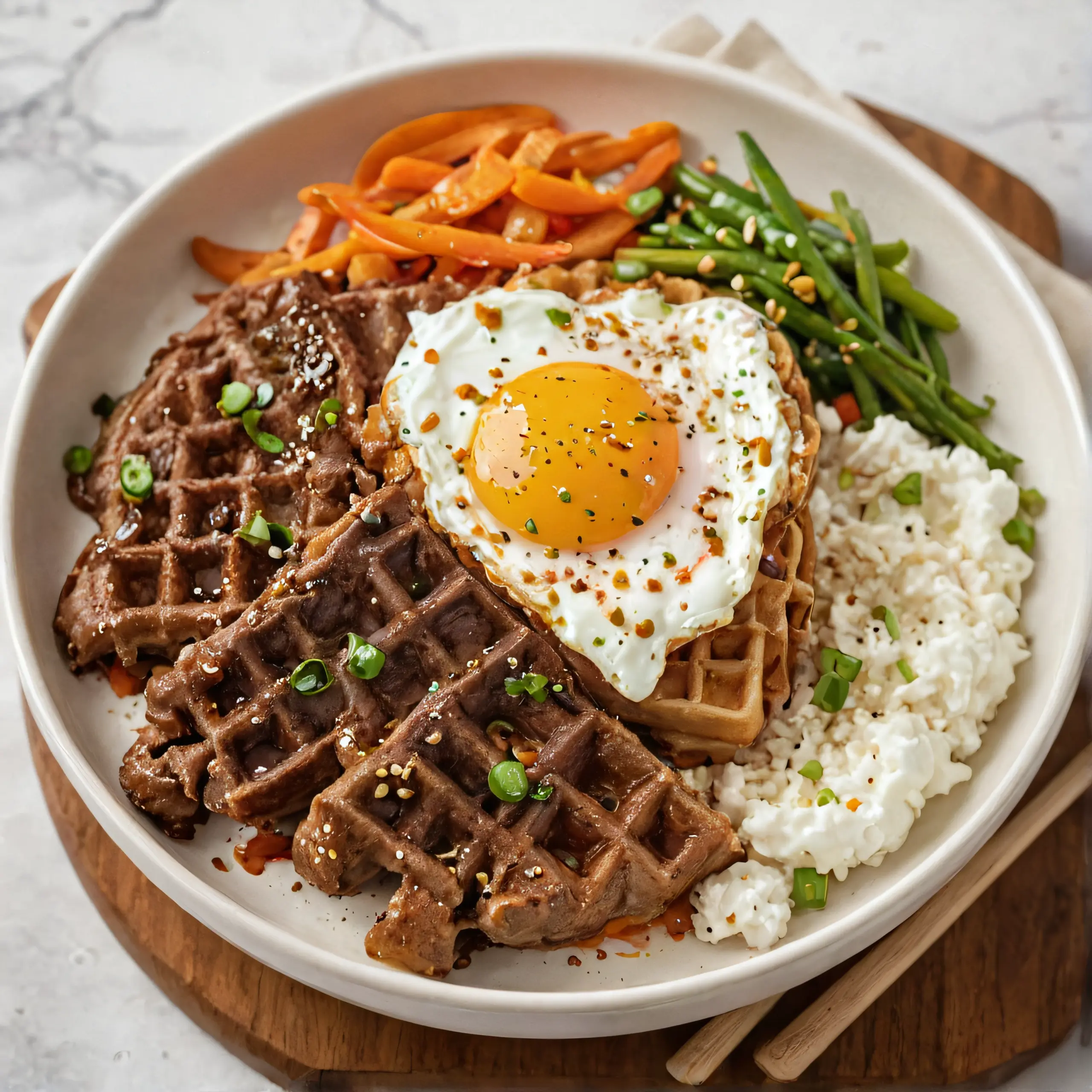
✓ In each bowl, layer cooked rice at the bottom. Top with the seared beef slices. Arrange the sautéed vegetables on top of the beef. Garnish with chopped green onions and sprinkle with sesame seeds if desired. Place a fried egg over the top for added richness (optional).
Notes
Ensure proper marination for best flavor. Use a mix of crunchy carrots and bell peppers for texture, and keep them sautéed until they are crisp-tender.
- Prep Time: 30
- Cook Time: 25
- Category: Main Course
- Cuisine: Korean
Nutrition
- Calories: 400
- Sugar: 7
- Sodium: 600
- Fat: 15
- Carbohydrates: 35
- Fiber: 6
- Protein: 28
In this recipe, we’ll break down each step to ensure you can recreate this dish at home easily. The key is in the preparation and assembly, where each component comes together seamlessly to create a hearty meal that’s sure to please everyone around the table.
Key Ingredients
- Flank steak (1 pound) — provides the protein base; slice it thinly against the grain for tenderness.
- Soy sauce (1/4 cup) — adds depth of flavor and umami; make sure it’s high-quality for best results.
- Brown sugar (2 tablespoons) — balances the saltiness from soy sauce with a touch of sweetness.
- Sesame oil (1 tablespoon) — imparts a nutty, aromatic flavor that complements the beef perfectly.
- Garlic (3 cloves, minced) — essential for adding depth and complexity to the marinade.
- Ginger (1 teaspoon, grated) — provides an initial heat that tames as it cooks.
- Rice vinegar (1 tablespoon) — adds a slight tanginess without overpowering other flavors.
- Gochujang (1 tablespoon, optional for spice) — Korean chili paste for those who like some extra kick.
- Cooked rice (2 cups) — the staple that holds everything together; you can use white or brown rice based on your preference.
- Vegetables (carrots and bell peppers, sliced; green onions, chopped) — add color, texture, and nutrients to balance out the meal.
- Fried eggs (4, optional) — for a protein boost and added richness at the top of the bowl.
- Sesame seeds (for garnish) — provide crunch and enhance the visual appeal.
These ingredients work together beautifully to create a dish that is both comforting and flavorful. Each component has its role in elevating the overall taste profile, making this Korean Beef Rice Bowl a standout meal.
Step-by-Step Instructions
Preparation
- Prepare the Flank Steak
– Cut the flank steak into thin slices against the grain using a sharp knife.
– In a small bowl, mix soy sauce, brown sugar, sesame oil, minced garlic, grated ginger, rice vinegar, and gochujang (if using).
- Marinate the Beef
– Place the sliced beef in a large resealable bag or shallow dish.
– Pour the marinade over the beef, ensuring each piece is coated well.
– Seal the bag or cover the dish with plastic wrap and refrigerate for at least 30 minutes to an hour.
Cooking
- Cook the Beef
– Heat a large skillet over medium-high heat until it’s hot.
– Remove the beef from the marinade, letting any excess drip off (reserve the marinade).
– Add a tablespoon of vegetable oil to the skillet and sear the beef slices for about 2-3 minutes on each side or until they are nicely browned but still pink in the middle.
- Sauté Vegetables
– In another pan, heat a little bit of vegetable oil over medium heat.
– Add sliced carrots and bell peppers; sauté for 5-7 minutes or until they are tender-crisp.
- Assemble the Rice Bowl
– In each bowl, layer cooked rice at the bottom.
– Top with the seared beef slices.
– Arrange the sautéed vegetables on top of the beef.
– Garnish with chopped green onions and sprinkle with sesame seeds if desired.
– Place a fried egg over the top for added richness (optional).
Serving
- Serve hot directly from the bowl. The combination of warm rice, tender beef, crisp vegetables, and fluffy eggs makes this dish incredibly satisfying.
Why You’ll Love This Recipe
This Korean Beef Rice Bowl is a fantastic choice because it’s versatile, quick to prepare, and always crowd-pleasing. Whether you’re serving it for a casual weeknight dinner or hosting a small gathering, the flavors are bold enough to impress but straightforward enough that even novice cooks can pull it off.
The balance of umami-rich beef, sweet-and-savory sauce, crunchy vegetables, and fluffy rice creates layers of flavor that tantalize the taste buds. Plus, the dish looks impressive on any dinner table with its vibrant colors and satisfying textures.
Tips for Making Perfect Korean Beef Rice Bowl
- Marination is Key — Ensure the steak is well-coated in the marinade to infuse maximum flavor.
- Proper Searing — Achieve a nice sear by ensuring your pan is hot before adding the beef. This locks in juices and creates a flavorful crust.
- Balanced Vegetables — Use a mix of crunchy carrots and bell peppers for texture, and keep them sautéed until they are crisp-tender.
Common mistakes to avoid:
- Overcooking the vegetables; they should be slightly firm but not raw.
- Undermarinating the beef, which can result in less flavorful meat.
Time Details
- Preparation: 30 minutes (including marination)
- Cooking: 25 minutes
- Total Time: 55 minutes
Nutritional Information
- Calories per serving: Approximately 400 kcal
- Protein: Around 28 g
- Carbohydrates: About 35 g
- Fat: Approximately 15 g
- Fiber: Around 6 g
- Sugar: About 7 g
- Sodium: Approximately 600 mg
FAQs
Q: Can I use a different cut of beef instead of flank steak?
A: Yes, you can use sirloin or ribeye. Just ensure it’s sliced thinly and against the grain to maintain tenderness.
Q: How should I store any leftover rice bowls?
A: Store in an airtight container in the refrigerator for up to 3 days. Reheat in the microwave or on the stovetop before serving.
Q: Are there ways to make this dish spicier without gochujang?
A: You can use more chili flakes, hot sauce, or a bit of red pepper powder to achieve a similar effect without using gochujang.
Conclusion
The Korean Beef Rice Bowl is not only a delicious meal but also an opportunity to explore new flavors and textures. With its balanced mix of savory, sweet, and spicy elements, it’s a recipe that will quickly become a staple in your kitchen. Whether you’re cooking for yourself or entertaining guests, this dish promises to be a hit every time.