Why settle for bland store-bought jerky when homemade takes just 30 minutes and delivers perfectly smoky, tender results? This recipe transforms 2 pounds of lean beef into rich, chewy strips with bold flavor. The secret lies in the precise marinade ratio and low-and-slow drying process. You’ll have restaurant-quality jerky ready in under an hour.
Print
Ultimate Beef Jerky Recipe – Perfectly Smoky & Tender
This ultimate beef jerky recipe delivers perfectly smoky and tender strips in under an hour. The precise marinade ratio and proper drying technique ensure restaurant-quality results every time.
- Total Time: 270
- Yield: 8
Ingredients
✓ 2 pounds lean beef (top round, bottom round, or eye of round)
✓ ¼ cup Worcestershire sauce
✓ 2 tablespoons brown sugar or honey
✓ 1 tablespoon olive oil
✓ 1 teaspoon garlic powder
✓ 1 teaspoon onion powder
✓ 1 teaspoon smoked paprika
✓ 1 teaspoon black pepper
✓ ½ teaspoon red chili flakes (optional)
✓ ½ teaspoon ground cumin
✓ 1 teaspoon liquid smoke (optional, for smoky flavor)
Instructions
✓ Slice beef against the grain into ¼-inch thick strips
✓ Combine all marinade ingredients in a bowl and whisk until well mixed
✓ Place beef strips in a large resealable bag or shallow dish
✓ Pour marinade over beef strips and coat evenly
✓ Marinate in refrigerator for 4 to 24 hours
✓ Preheat dehydrator or oven to 160°F to 170°F
✓ Place beef strips on dehydrator trays or oven racks
✓ Dry for 4 to 6 hours or until jerky is dry and leathery
✓ Let cool completely before storing in airtight containers
Notes
Store in airtight containers at room temperature for up to 2 weeks, or refrigerate for up to 1 month. For best results, slice beef against the grain and marinate for 4-24 hours.
Nutrition
- Calories: 180
- Sugar: 4
- Sodium: 320
- Fat: 6
- Carbohydrates: 6
- Fiber: 0
- Protein: 25
The Science Behind Smoky Beef Jerky
Marinating beef in a blend of soy sauce, Worcestershire sauce, and liquid smoke creates deep, complex flavors that penetrate the meat fibers. The acid in soy sauce and Worcestershire breaks down tough connective tissues, making the final product more tender. Liquid smoke introduces phenolic compounds that mimic the taste of real smoke without requiring a smoker. These compounds bind to meat proteins, creating an authentic smoky flavor profile that lasts.
Choosing the Right Cuts
Lean cuts of beef work best for jerky because they dry evenly without becoming tough. Top round, bottom round, and eye of round are ideal choices, each offering different textures and fat content. Top round produces the most uniform strips, while bottom round adds a bit more robust flavor. Eye of round offers a balance of tenderness and minimal fat, ensuring even drying throughout the process.
The Perfect Marinade Ratio
The marinade combines ½ cup soy sauce for umami depth, ¼ cup Worcestershire sauce for tangy richness, and 2 tablespoons brown sugar or honey for balanced sweetness. Olive oil helps the seasonings adhere to the meat and prevents sticking during drying. The spice blend includes garlic powder, onion powder, smoked paprika, black pepper, chili flakes, and cumin. These spices create a complex flavor layer that complements the smoky notes from liquid smoke.
How to Slice Beef for Optimal Texture
Slice beef against the grain into ¼-inch thick strips for maximum tenderness. Cutting against the grain breaks muscle fibers, preventing the jerky from becoming chewy. Use a sharp knife to ensure clean cuts and avoid tearing the meat. Slice the meat in a single direction, never in a crisscross pattern, as this can make the jerky tough and uneven.
The Importance of Proper Drying Temperature
Drying beef jerky at 160°F to 170°F ensures safe internal temperatures while maintaining the correct moisture content. Temperatures below 160°F risk bacterial growth, while higher temperatures can overcook and dry out the meat too quickly. The low heat allows moisture to evaporate gradually, creating the characteristic chewy texture that defines quality jerky.
Understanding Drying Times and Signs of Completion
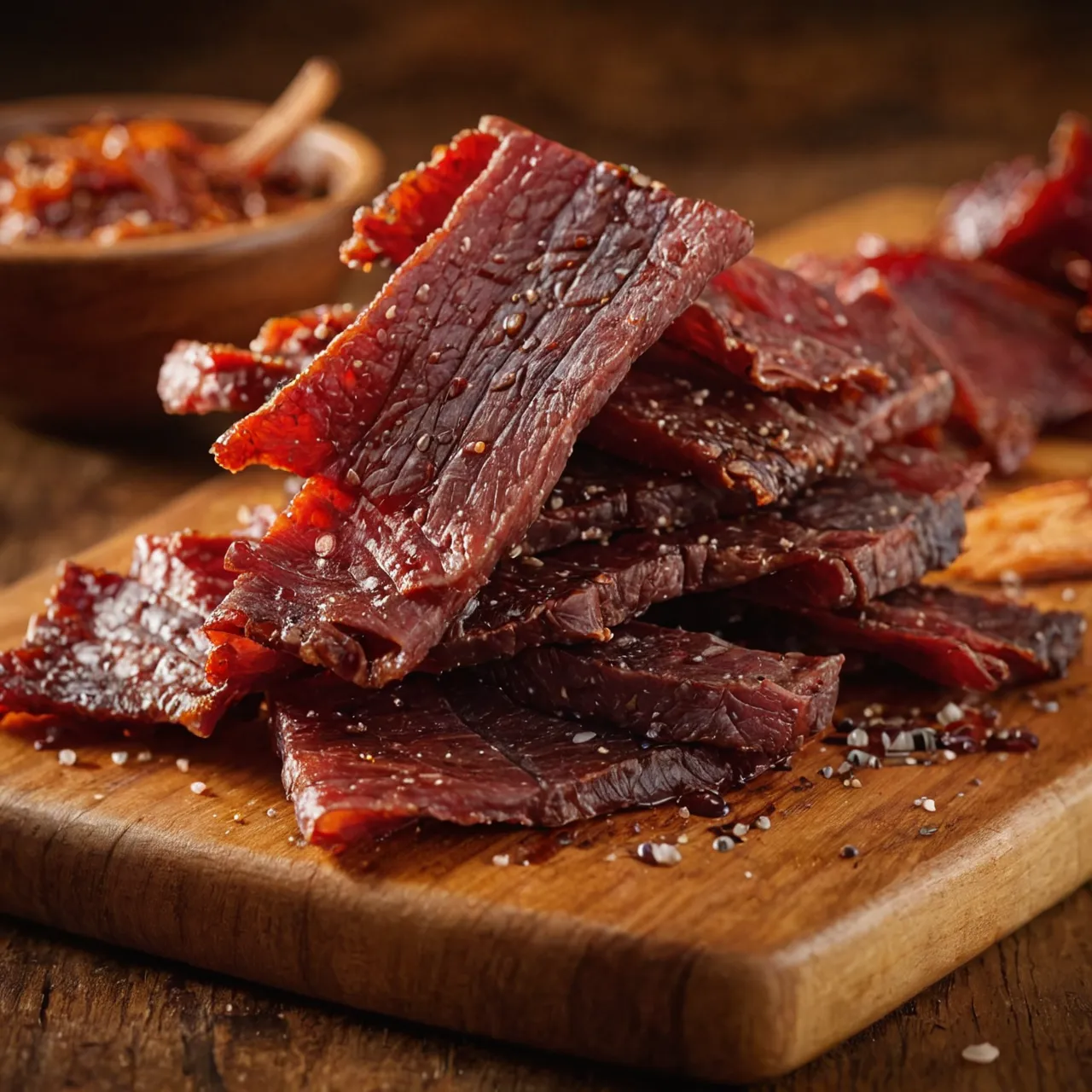
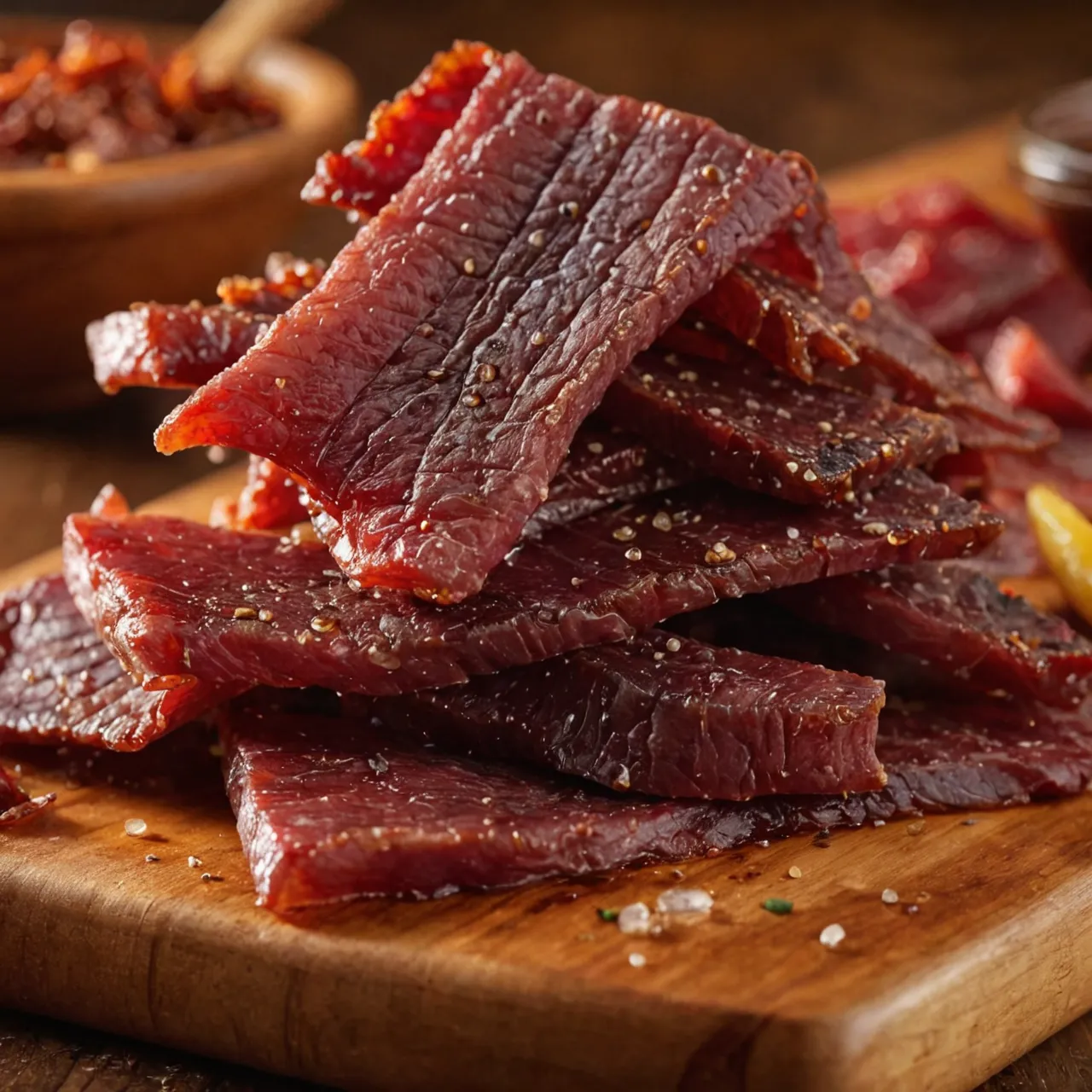
Jerky typically requires 4 to 6 hours of drying time, depending on thickness and humidity levels. The meat should be dry to the touch, with no visible moisture or pink areas. A properly dried piece should bend without breaking and feel leathery. The final product should have a deep, dark brown color and a glossy finish from the natural oils that rise to the surface during the process.
Troubleshooting Common Issues
Too tough? You likely overcooked the jerky or didn’t slice against the grain. Proper slicing technique and correct temperature control prevent this issue. Too moist? The jerky wasn’t dried long enough or was exposed to high humidity. Ensure adequate airflow and complete drying. Uneven color? Inconsistent slicing or uneven marinade distribution caused this. Marinate all pieces evenly and cut uniformly.
Storage Methods for Long-Term Freshness
Store jerky in airtight containers at room temperature for up to 2 weeks. For extended shelf life, refrigerate for up to 1 month or freeze for up to 6 months. Vacuum-sealed bags provide the best preservation, preventing moisture absorption and maintaining texture. Label containers with dates to track freshness and avoid consuming stale jerky.
Flavor Variations That Work
Replace brown sugar with honey for a richer sweetness profile. Add ½ teaspoon of cayenne pepper for spicy heat, or swap smoked paprika with regular paprika for milder flavor. Substitute Worcestershire sauce with liquid aminos for a gluten-free alternative. Experiment with different liquid smoke brands for varied smoky intensity, or add ½ teaspoon of cinnamon for a sweet and savory twist.
Serving Suggestions and Pairings
Serve jerky alongside cheese and crackers for a protein-rich snack, or use it as a topping for salads and grain bowls. Pair with a glass of red wine for a hearty dinner option, or enjoy it as a pre-workout fuel. The intense flavor makes it perfect for trail mix or as a standalone snack. Its versatility allows it to complement both casual and formal meals.
Making Ahead and Batch Preparation
Prepare jerky in advance by marinating beef for 4 to 24 hours before drying. Marinate in the refrigerator to prevent bacterial growth. Drying can be done in batches if needed, but ensure consistent temperature and airflow for even results. Preparing multiple batches allows for longer storage periods and reduces preparation time for future meals.
Essential Equipment for Success
A food dehydrator is the ideal tool for consistent results, though an oven set to its lowest temperature works as an alternative. A sharp knife and cutting board are essential for uniform slicing. Measuring spoons and cups ensure accurate spice ratios. Airtight containers provide proper storage, while paper towels help absorb excess moisture during preparation.
The Role of Liquid Smoke in Flavor Development
Liquid smoke delivers authentic smoky flavor without requiring a smoker. The phenolic compounds in liquid smoke interact with meat proteins to create complex flavor profiles. Use 1 teaspoon for a mild smoky taste or up to 2 teaspoons for intense flavor. Add liquid smoke after marinating but before drying to ensure even distribution.
Proper Meat Preparation Techniques
Pat beef dry with paper towels before slicing to remove surface moisture. This prevents sticking and ensures even drying. Remove any visible fat or connective tissue that could cause uneven drying or spoilage. Trim excess fat, as it can cause jerky to become greasy and spoil faster. Clean meat thoroughly before slicing to maintain food safety standards.
Temperature Control for Safe Drying
Maintain consistent temperatures between 160°F and 170°F for safe and effective drying. Use a reliable food thermometer to monitor internal temperatures. Fluctuating temperatures cause uneven drying and potential food safety issues. The goal is to dry the meat slowly while maintaining safe internal temperatures throughout the process.
Enhancing Flavor with Additional Seasonings
Add ½ teaspoon of garlic powder for extra pungency or 1 teaspoon of dried oregano for Mediterranean notes. Experiment with different spice combinations, such as cumin and coriander for Middle Eastern flavors. Incorporate ½ teaspoon of nutritional yeast for a cheesy taste profile. These additions create unique flavor profiles while maintaining the core recipe structure.
Preventing Common Mistakes
Avoid overcrowding the dehydrator or oven, as this prevents proper air circulation. Ensure adequate spacing between pieces for even drying. Don’t skip the marinade step, as it’s crucial for flavor penetration and tenderization. Over-marinating beyond 24 hours can cause the meat to become too soft and lose texture.
The Impact of Drying Time on Texture
Drying time directly affects final texture, with longer times creating more intense flavors and chewier consistency. Shorter drying times produce softer jerky with milder flavors. Adjust drying times based on desired texture, with 4 hours for softer jerky and 6+ hours for more intense, chewy results. Monitor progress regularly to avoid over-drying.
Quality Checks During the Process
Check jerky periodically for even drying and proper color development. The meat should transition from pink to deep brown without burning. Look for the characteristic leathery texture and lack of moisture. Properly dried jerky should bend but not break completely. Visual cues help ensure consistent results and prevent over-drying.
Maximizing Flavor Through Proper Marination
Marinate beef for at least 4 hours to allow flavors to penetrate deeply. Longer marination times up to 24 hours can intensify flavor but may affect texture. Refrigerate marinated meat to prevent bacterial growth. The soy sauce and Worcestershire sauce provide umami, while spices add complexity and depth to the final product.
Creating the Perfect Jerky Experience
The ultimate jerky experience combines perfectly seasoned meat with ideal texture and flavor. Proper preparation techniques ensure consistent results every time. The combination of precise timing, correct temperature, and quality ingredients creates the perfect balance of smoky, savory, and slightly sweet flavors. This recipe delivers consistent, restaurant-quality results in a home kitchen setting.
Final Thoughts
This beef jerky recipe delivers restaurant-quality results in under an hour. The precise marinade ratio and proper drying technique ensure tender, smoky strips every time. Make a batch this weekend and enjoy the satisfaction of homemade jerky. The process is straightforward, and the results are consistently delicious.